Stainless Flatware in the Dishwasher: Safety & Finish
Is stainless steel flatware dishwasher safe, and will the finish fade over time?
Dishwasher safety: usually yes, with a few smart habits
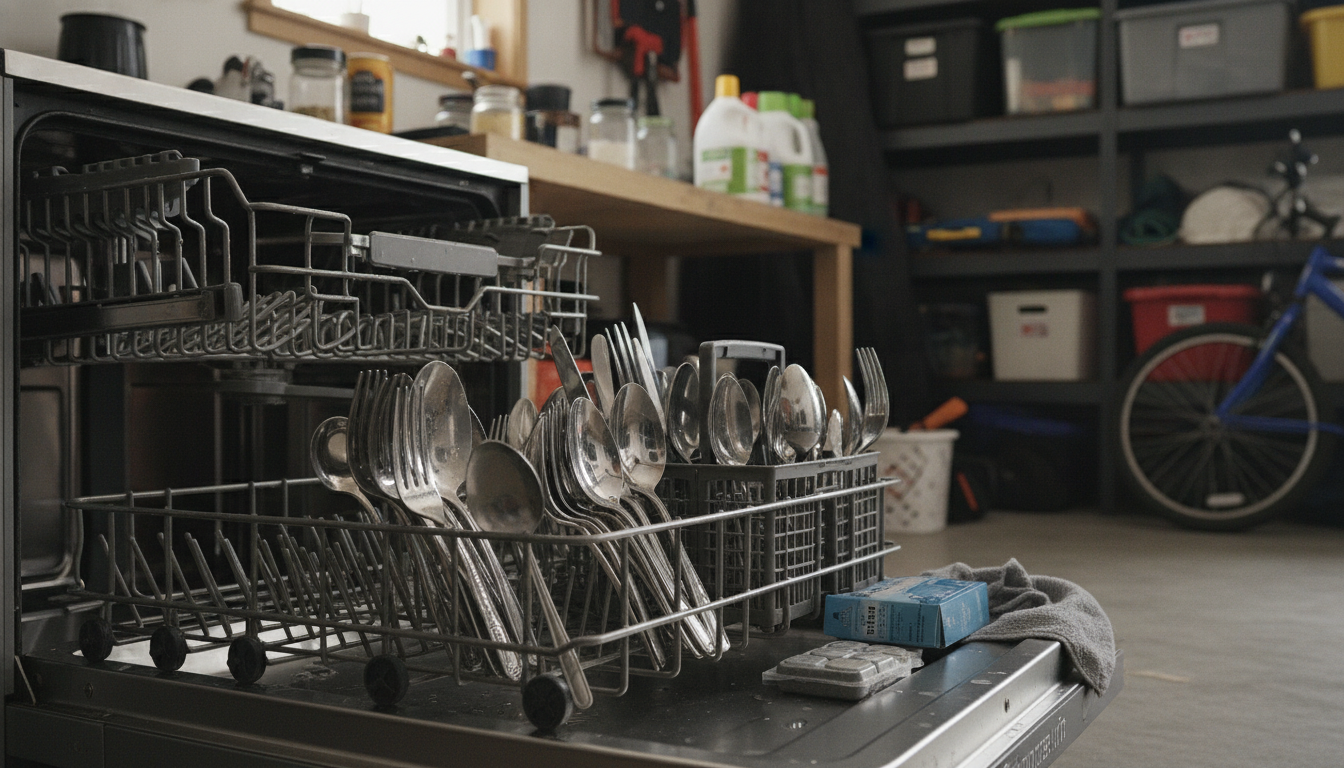
Most stainless steel flatware is dishwasher safe, including everyday sets designed for regular use. The key is to follow a few simple practices that prevent spotting and surface wear: rinse off salty or acidic foods (like ketchup, vinegar, or citrus) before loading, avoid leaving pieces soaking in the dishwasher for long periods, and dry promptly if your machine tends to trap moisture.
Place utensils so they don’t nest tightly together, which helps water circulate and reduces rub marks. If your flatware includes mixed finishes (for example, matte plus polished or gold-toned accents), a gentler detergent and lower-heat cycle can help preserve the look longer.
Will the finish fade? It depends on the type of finish and how it’s cared for
Stainless steel itself doesn’t “fade” the way paint does, but the surface can lose some of its original crispness over time if it’s exposed to harsh detergents, high heat, and frequent contact abrasion. Mirror-polished pieces can develop fine micro-scratches; brushed or satin finishes can look slightly more blended as they wear in. This is normal and often only noticeable up close.
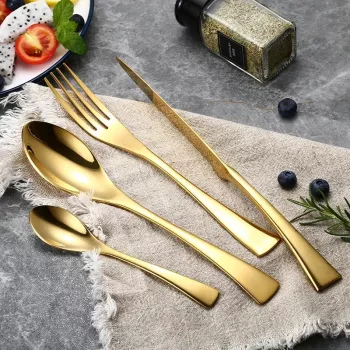
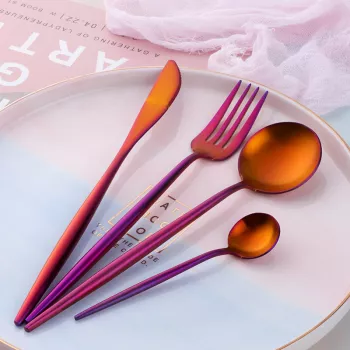
If your set has a special color treatment—such as PVD-coated gold, black, or two-tone accents—those finishes are durable but not indestructible. Repeated cycles with strong detergents, chlorine-based cleaners, or abrasive scrubbers can dull the sheen faster. To keep the finish looking sharp, skip bleach, avoid steel wool, and hand-wash occasional “special” pieces if you want maximum longevity.
Quick care tips for long-lasting shine
Use a non-abrasive sponge for stuck-on food, choose a quality dishwasher detergent without chlorine when possible, and remove flatware soon after the cycle ends. For water spots, a quick wipe with a soft towel (or a rinse aid in the dishwasher) makes a noticeable difference.
For more guidance on caring for modern mixed-tone sets, visit this mixed-tone flatware set guide.
FAQ
How do you remove water spots or rainbow discoloration from stainless steel flatware?
Soak the pieces briefly in warm water with a splash of white vinegar, then wash with mild dish soap and dry immediately. For stubborn spots, use a non-abrasive stainless steel cleaner and a soft cloth.












Leave a comment