5 Downsides of 100% Cotton: Wrinkles, Shrinkage, More
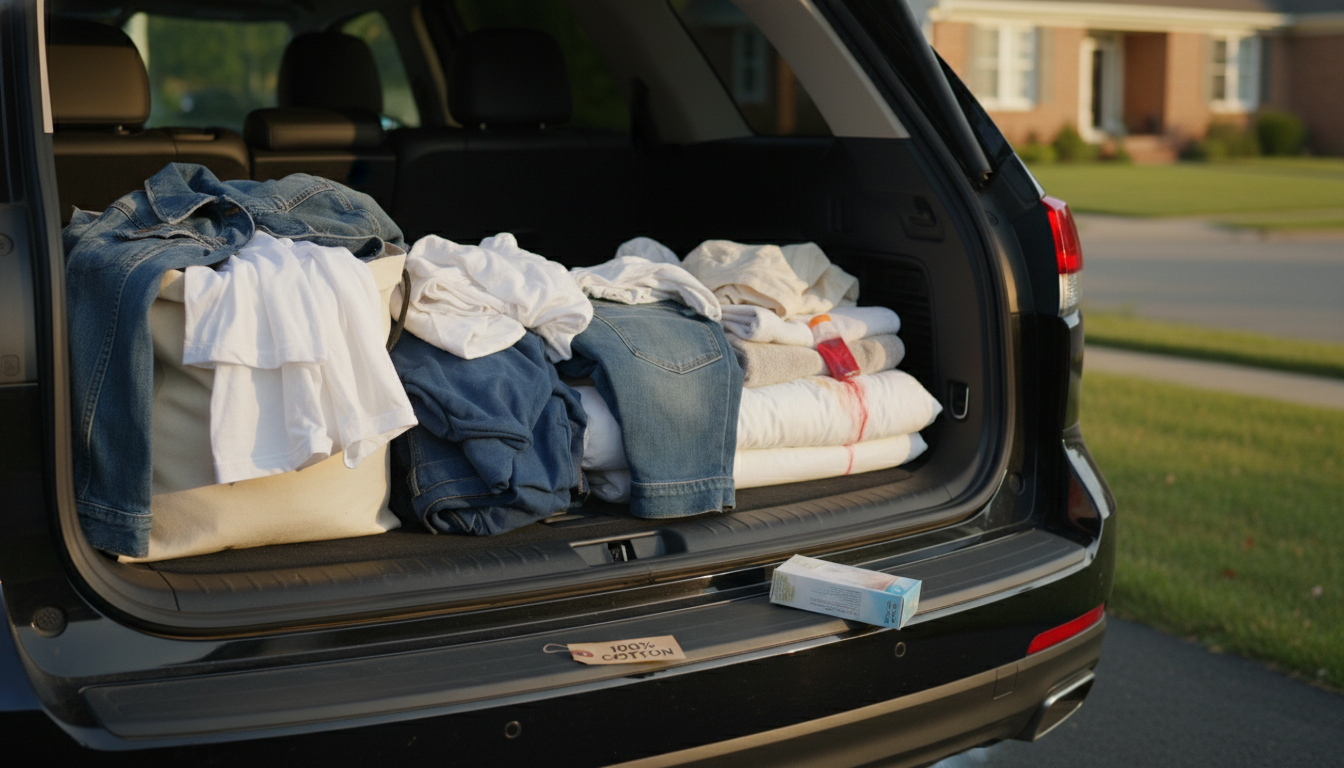
What are the disadvantages of 100% cotton?
100% cotton is comfortable, breathable, and widely loved for everyday textiles, but it isn’t always the most practical choice for every use. The main drawbacks tend to show up after washing, in humid environments, or when a fabric needs extra durability and shape retention.
It wrinkles and can look “rumpled” quickly
Cotton fibers crease easily, so 100% cotton items often wrinkle during use and after laundering. If a crisp, smooth look matters, cotton may require ironing or steaming more often than blends that include synthetics or elastane.
It can shrink if not cared for properly
Many cotton fabrics are prone to shrinkage, especially when washed in warm/hot water or dried on high heat. Even pre-shrunk cotton can tighten up over time, which can be frustrating for fitted items or anything sized to specific dimensions.
It can absorb moisture and stay damp longer
Cotton is highly absorbent, which feels great in some cases but can be a disadvantage when quick drying is important. In humid conditions, cotton may hold onto moisture, feel heavier, and take longer to dry than performance fabrics or certain blends.
It may fade and wear in high-friction areas
Depending on dye quality and weave, repeated washing can gradually fade colors. Cotton can also show abrasion or thinning in high-use zones (like elbows, knees, or sofa throw corners) sooner than tougher blends, especially if it’s a lighter-weight fabric.
It can stretch out and lose shape
Pure cotton doesn’t have much natural rebound. Over time, some 100% cotton knits and looser weaves can sag or lose their original shape, particularly if they’re frequently pulled, draped, or stored while damp.
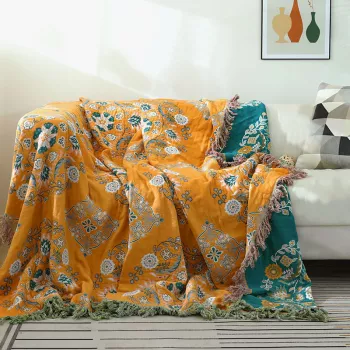
If you’re comparing cotton options for home décor—like breathable throws and textured weaves—see the practical styling and care notes in this guide to a floral cotton gauze throw with tassels for sofas.
FAQ
Is cotton gauze good for throws and blankets?
Yes—cotton gauze is lightweight, breathable, and soft, making it a cozy layering option for sofas and beds. It may wrinkle and snag more easily than heavier weaves, so gentle washing and mindful use help it last.














Leave a comment