Best Ingredient for Sensitive Skin: Colloidal Oatmeal
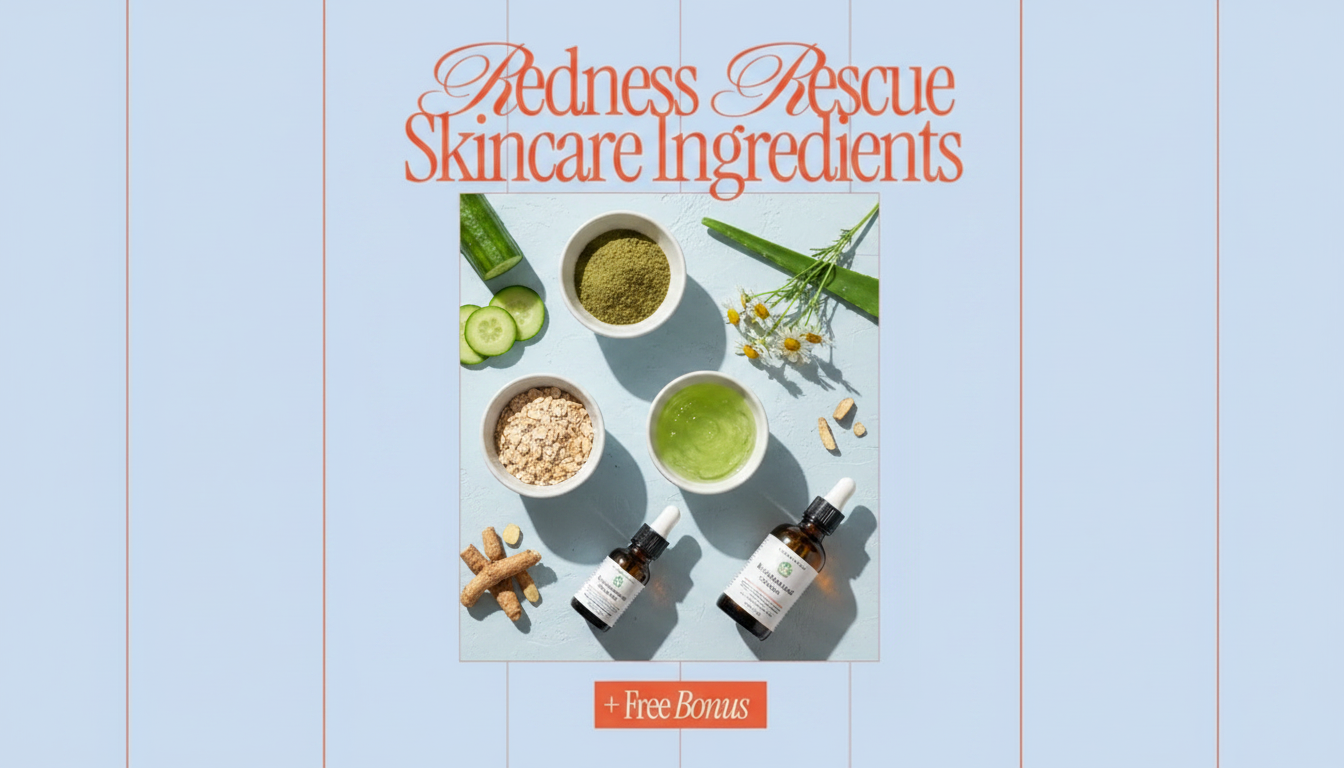
What ingredient is best for sensitive skin?
If you had to pick one standout ingredient for sensitive skin, choose colloidal oatmeal. It’s widely used in dermatology-friendly products because it helps soothe visible redness, supports the skin barrier, and reduces the uncomfortable “stingy” feeling that often comes with reactive skin. It’s also generally well tolerated across many skin types, including dry, eczema-prone, and easily irritated skin.
Colloidal oatmeal works by forming a lightweight, protective layer that helps minimize moisture loss while calming the look and feel of irritation. That barrier support matters because sensitive skin is often less able to defend itself against triggers like weather shifts, fragrance, harsh surfactants, and over-exfoliation.
How to use it without triggering flare-ups
Look for “colloidal oatmeal” listed on the ingredient label (often in cleansers, creams, and rescue balms). Keep the rest of the formula simple: fragrance-free, minimal essential oils, and no strong acids if your skin is currently reactive. Patch test on the jawline or behind the ear for a couple of days, then slowly expand use if everything stays calm.
Other gentle options to pair with it
If your routine needs more support, ingredients like ceramides (barrier repair), glycerin (hydration), and panthenol (comforting moisture) often play well alongside colloidal oatmeal. If redness is your main concern, a targeted soothing ingredient can be especially helpful—see the full checklist here: https://supremechoiceden.shop/guide-redness-relief-ingredient-checklist-sensitive-skin/.
FAQ
What is good for extremely sensitive skin?
Use fragrance-free, minimalist formulas with barrier-supporting ingredients like colloidal oatmeal and ceramides. Avoid scrubs, strong acids, and products with lots of botanical extracts if you react easily.
What should I use on my face if I have sensitive skin?
Choose a gentle cleanser plus a simple moisturizer designed for sensitive skin, ideally with colloidal oatmeal, glycerin, and ceramides. Introduce one new product at a time to spot triggers quickly.
Which ingredient is known to calm sensitive or irritated skin?
Colloidal oatmeal is well known for calming irritated skin and helping reduce discomfort from dryness and redness. It also supports the skin’s protective barrier, which can lessen reactivity over time.
















Leave a comment