Business Casual: What’s Not Acceptable at Work
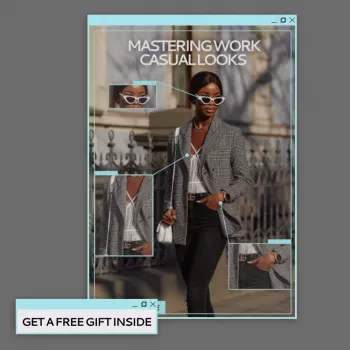
What is not acceptable for business casual?
In most workplaces, “business casual” still has boundaries. The biggest red flags are anything that looks like gym wear, beach wear, or nightlife clothing. Even if an item is trendy or expensive, it can read as too relaxed (or too loud) for an office setting.
Clothing that’s typically not business casual
Ripped or distressed denim is usually a no, even if dark wash jeans are allowed. Shorts (including Bermuda styles) are often considered too casual unless your office explicitly permits them. Leggings worn as pants, joggers, and sweatpants fall into athletic-casual and can look out of place.
Graphic T-shirts, loud logos, and novelty prints also tend to miss the mark. So do tank tops, spaghetti straps, strapless tops, and sheer fabrics without proper layering. If you have to worry about bra straps, transparency, or constant adjusting, it’s probably not the right choice.
Shoes and accessories to avoid
Flip-flops, slippers, and most athletic sneakers read as weekend wear. Extremely high platforms or club-style heels can also feel inappropriate in a conservative office. For bags, avoid overly worn backpacks or anything that looks like it belongs at the gym.
Fit, condition, and overall vibe matter
Business casual should look intentional: clothes should be clean, pressed, and in good repair. Items that are too tight, too short, or heavily wrinkled often look unprofessional even if they’re technically “allowed.” When in doubt, choose polished basics and smart layering.
For outfit formulas and easy staples that stay safely within the business-casual lane, see the full guide here: work casual style guide and essentials.
For Business Casual: What’s Not Acceptable at Work, the best answer depends on fit, material, care instructions, and how the product will be used day to day.
Checking those details first helps avoid a poor match and keeps the choice practical after delivery.
FAQ
What shoes count as business casual?
Loafers, flats, ankle boots, and clean leather sneakers (when permitted) are common choices. Avoid flip-flops and heavily athletic running shoes unless your office is extremely relaxed.












Leave a comment