Caregiver Role in Child Development: Safety, Bonding, Skills
What is the role of a caregiver in child development?
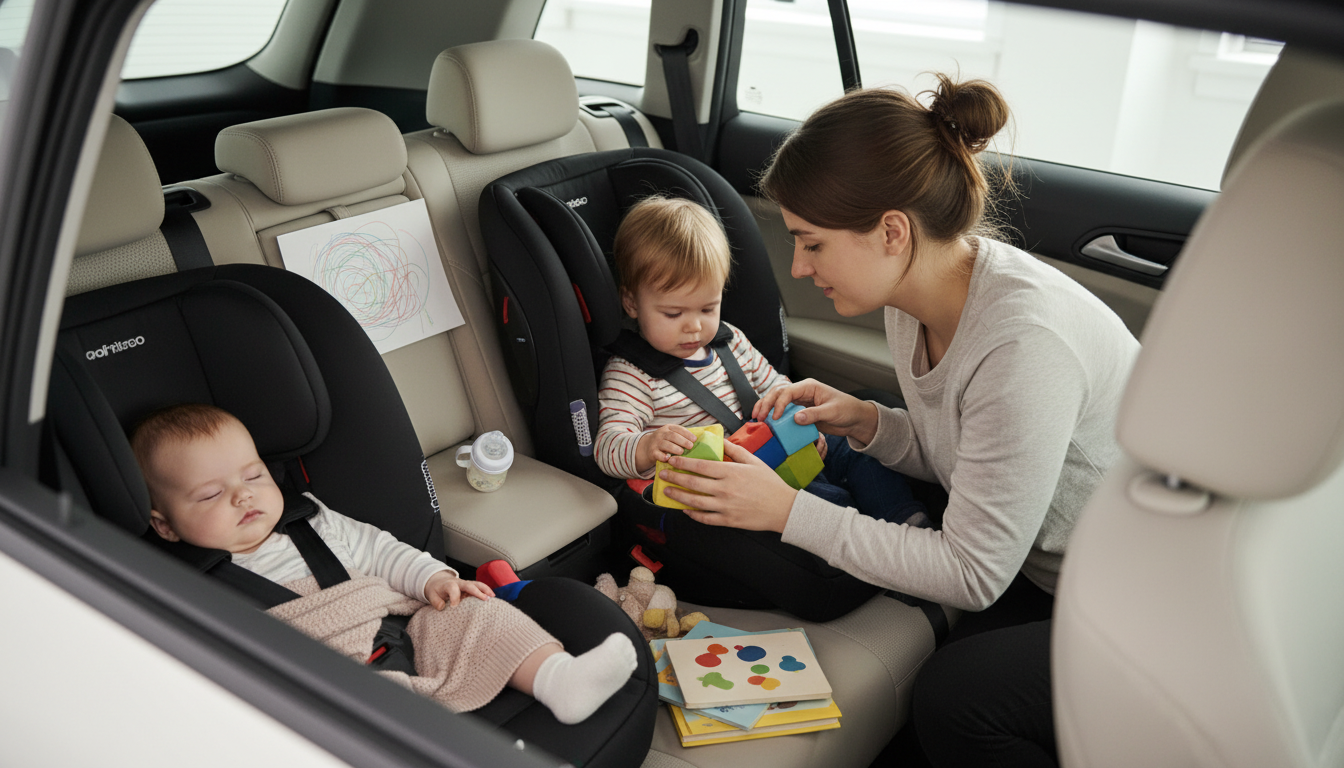
A caregiver’s role in child development is to provide the steady, responsive support that helps a child feel safe enough to learn, connect, and grow. Day to day, that means meeting basic needs (food, sleep, hygiene, medical care) while also offering emotional warmth, predictable routines, and guidance that matches the child’s age and temperament.
When caregivers respond consistently—comforting a baby who cries, listening to a preschooler’s big feelings, or staying calmly present during a teen’s push for independence—children build trust and security. That foundation supports healthier stress responses, stronger relationships, and better readiness to explore new skills and environments.
Building a secure emotional bond
Children thrive when they know someone “has them.” A caregiver supports attachment by noticing cues, responding promptly, and showing affection in ways the child accepts—through words, touch, play, or simply being nearby. Over time, these repeated interactions teach kids that emotions are manageable and relationships are reliable.
Teaching skills through everyday moments
Caregivers are also coaches. They model communication, empathy, and problem-solving; they create opportunities for play and learning; and they set limits that keep kids safe. Simple practices—narrating routines, reading together, offering choices, and praising effort—build language, confidence, and self-control.
Providing structure, safety, and boundaries
Healthy boundaries are not harsh; they’re clear and consistent. Caregivers guide behavior with age-appropriate expectations, calm consequences, and proactive routines that reduce chaos. That structure helps children develop executive function skills like planning, flexibility, and impulse control.
For more detail on how connection evolves across stages—from infants to teens—see this guide to emotional bonding by age.
FAQ
What is the role of caregivers in early childhood development?
Caregivers support rapid early growth by providing safety, nurturing attention, and stimulating play and language. Their consistent responses help children develop secure attachment, social skills, and early learning habits.
What are the 6 main roles and responsibilities of a caregiver?
Common responsibilities include ensuring safety, meeting basic needs, supporting emotional well-being, guiding behavior, promoting learning and development, and coordinating health care and routines. The exact mix shifts as the child’s needs change with age.
What are the three roles of a caregiver?
A practical way to group the role is: protector (safety and health), nurturer (connection and comfort), and guide (teaching skills and boundaries). Strong caregiving blends all three consistently.
















Leave a comment