How to Reduce Skin Redness Fast: Quick Soothing Steps
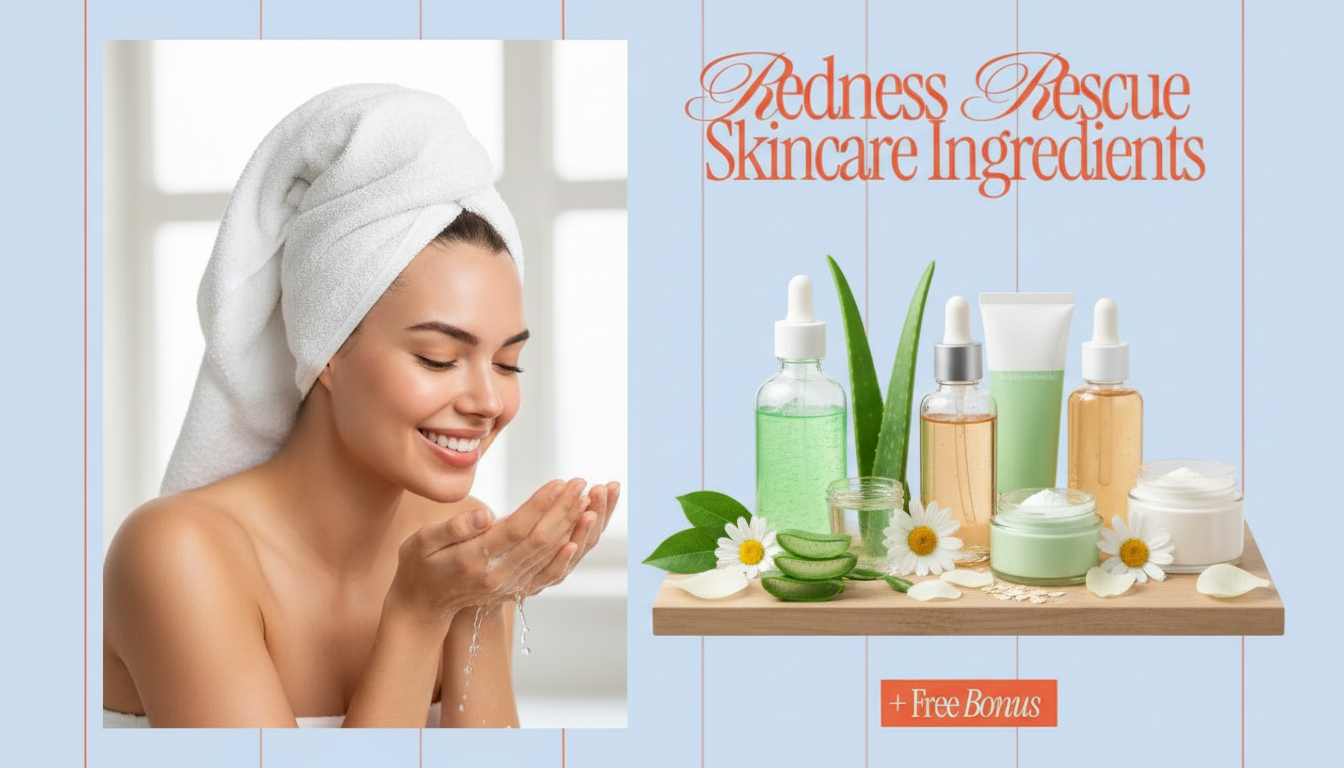
What reduces skin redness quickly?
To reduce skin redness quickly, focus on cooling the skin, cutting off the irritant, and using soothing, barrier-supporting products. Fast relief often comes from a combination of temperature control and anti-inflammatory ingredients that calm reactive skin without adding more friction or harsh actives.
Quick steps that can help within minutes
1) Cool compress: Apply a clean, cool (not ice-cold) damp cloth to the area for 5–10 minutes. This can constrict surface blood vessels and lessen visible flushing.
2) Pause potential triggers: Stop exfoliants, retinoids, fragranced products, and hot water until redness settles. Even “gentle” scrubs and cleansing brushes can prolong redness.
3) Use a bland, calming moisturizer: Look for formulas that reduce sting and support the barrier. Ingredients like colloidal oatmeal, panthenol, allantoin, centella asiatica, and ceramides can help calm the look of redness and tightness.
Fast-acting ingredient options for redness
Colloidal oatmeal is a standout for quick comfort, especially when redness comes with itchiness or irritation. Niacinamide can help visibly reduce redness over time and support the skin barrier, but very sensitive skin may prefer starting low and using it less often. If redness is paired with dryness and sensitivity, ceramides plus glycerin or hyaluronic acid can improve hydration so skin looks less inflamed.
What to avoid when you need redness relief fast
Skip hot showers, steaming, alcohol-based toners, essential oils, and strong acids. Also avoid “spot-treating” redness with multiple layers of new products at once; over-application can backfire.
When redness needs medical advice
If redness is severe, spreading, blistering, accompanied by swelling or trouble breathing, or persists despite gentle care, contact a healthcare professional. Persistent facial redness may be related to conditions like rosacea, dermatitis, or allergies.
For a practical list of soothing ingredients and what to check on labels, visit this redness-relief ingredient checklist for sensitive skin.
FAQ
What ingredients help calm irritated, red skin?
Colloidal oatmeal, panthenol, allantoin, centella asiatica, and ceramides are commonly well-tolerated options that can quickly improve comfort and reduce the look of redness by soothing and supporting the skin barrier.
















Leave a comment