Best Ingredient for Facial Redness: Niacinamide + Options
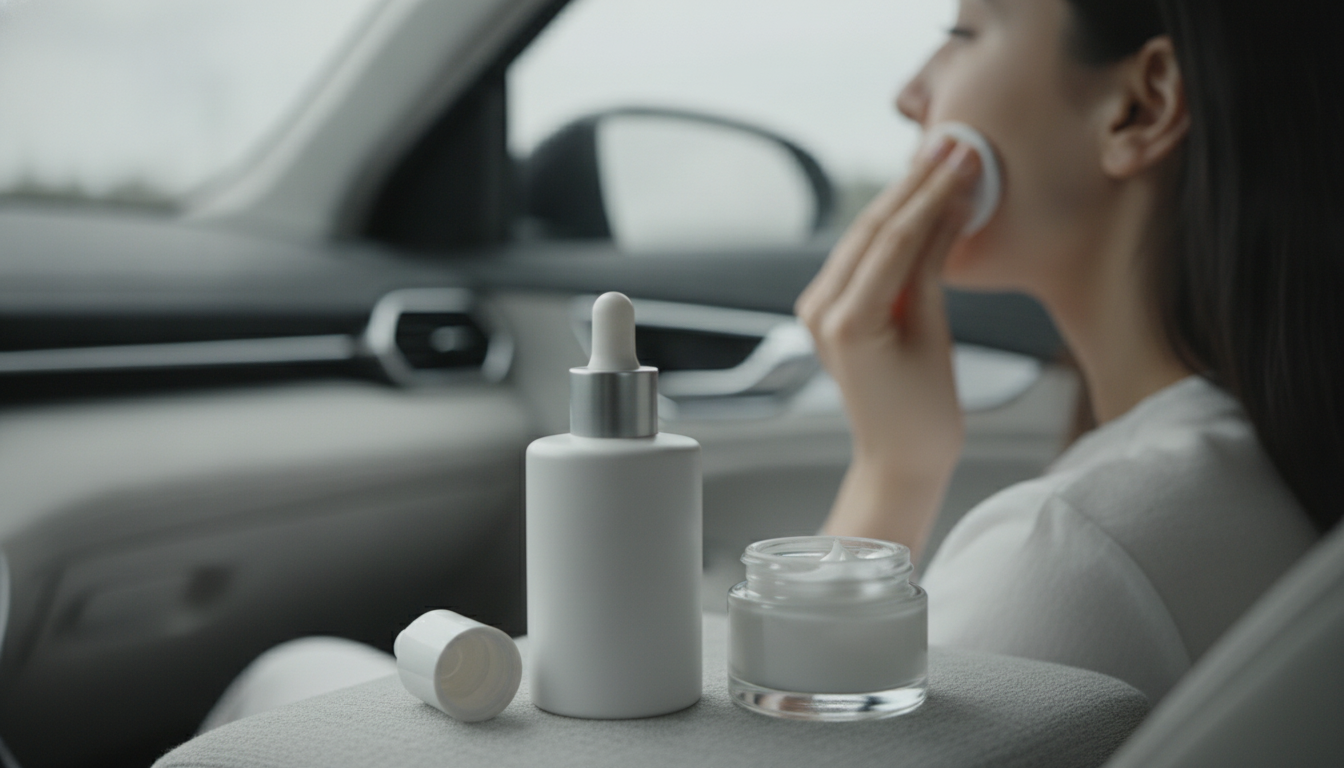
Which ingredient is best for redness?
The best all-around ingredient for facial redness is niacinamide (vitamin B3). It helps calm visible flushing, supports the skin barrier, and can reduce the look of blotchiness over time—without the sting that some stronger “active” ingredients can cause on reactive skin.
Why niacinamide is a top pick
Redness often shows up when the skin barrier is stressed (from over-exfoliation, weather swings, harsh cleansers, or friction). Niacinamide is widely favored because it reinforces barrier function, helps skin hold onto moisture, and can visibly even tone. For many people with sensitive skin, it’s also easy to fit into a routine: layer it under moisturizer once or twice daily, starting slowly if you’re easily reactive.
When another ingredient may work better
Skin redness isn’t one-size-fits-all, so the “best” ingredient can depend on what’s driving the irritation:
- Azelaic acid: A standout for persistent redness and uneven tone, especially if you also deal with clogged pores or post-breakout marks. Many formulas come in 10% OTC strength.
- Centella asiatica (cica) and allantoin: Great for fast comfort when skin feels hot, tight, or freshly irritated.
- Colloidal oatmeal: Ideal when redness comes with itchiness or dryness, helping soothe and cushion compromised skin.
- Ceramides + glycerin: Not “anti-redness” actives per se, but critical when redness is barrier-related—often the missing piece in sensitive routines.
How to choose the right redness-relief ingredient
Look for simple formulas, fragrance-free whenever possible, and introduce only one new product at a time. If stinging happens, pause and prioritize barrier support (ceramides, glycerin, petrolatum) until skin feels stable again. For a deeper checklist of calming options and what to avoid, see this redness-relief ingredient guide.
FAQ
What’s the difference between redness from dryness and redness from irritation?
Dryness redness often comes with tightness, flaking, or rough texture, and improves quickly with moisturizer and barrier-repair ingredients. Irritation redness is more likely to sting or burn and may worsen with actives, heat, or friction.















Leave a comment