Real vs Genuine Leather: Which Is Better to Buy?
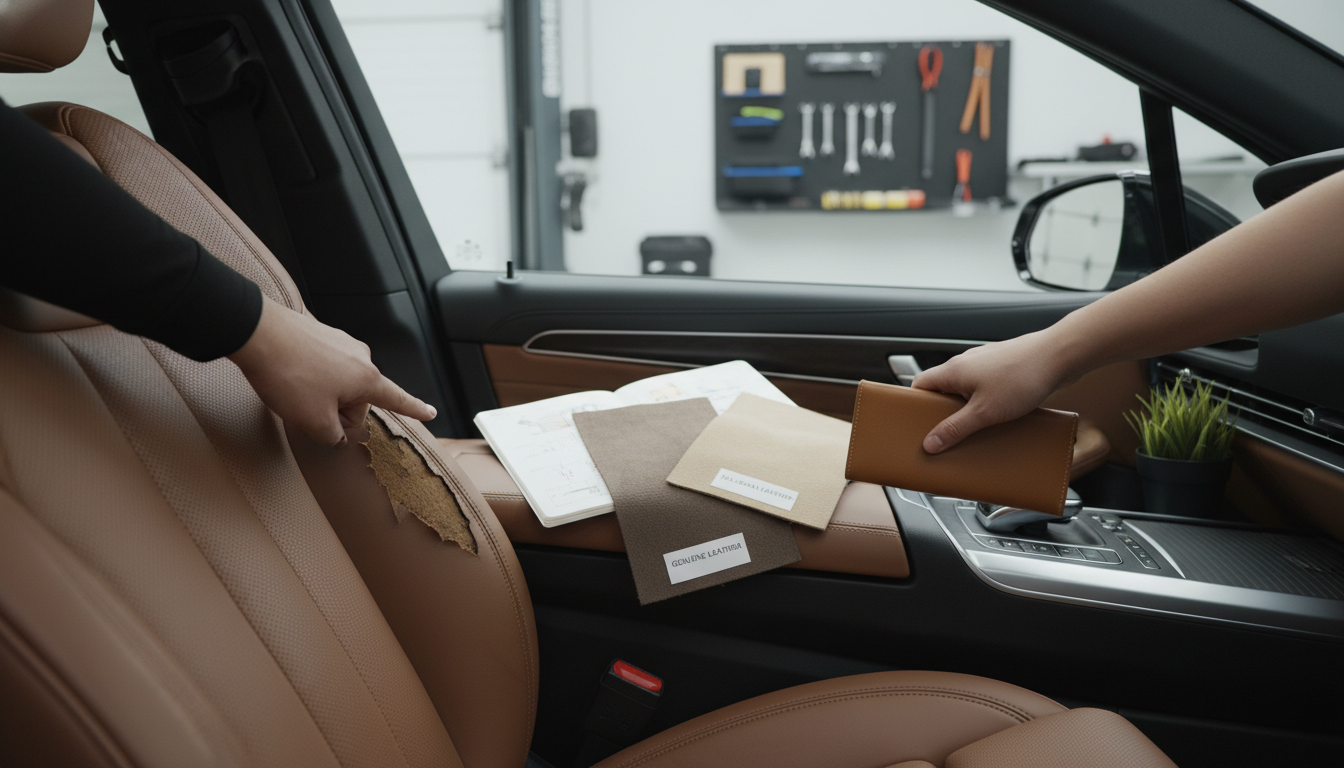
Which is better, real leather or genuine leather?
“Real leather” is a broad, informal term that usually means the material came from animal hide. “Genuine leather” is also real leather, but it’s a specific label often used for lower-cost products made from more processed layers of the hide. When choosing what’s “better,” the more useful comparison is leather quality (full-grain or top-grain vs. lower grades) rather than the two phrases on a tag.
What “real leather” typically means
Real leather isn’t a standardized grade. Brands may use it to signal “not synthetic,” but it doesn’t automatically indicate how durable, breathable, or luxurious the leather will feel. A “real leather” item could be premium full-grain—or it could be a heavily corrected leather with coatings that hide flaws.
What “genuine leather” usually indicates
Genuine leather is a legitimate category, but in everyday retail it often refers to split leather or reconstituted leather products that are finished with surface coatings for a uniform look. These items can still look good, especially at first, but they may be less breathable and may show wear (cracking, peeling of finishes, stretching) sooner than higher-grade leathers.
So which is better?
If the “genuine leather” product is the only option within budget, it can be a practical choice for occasional wear. For long-term value—especially in footwear—look for full-grain or top-grain leather, strong stitching, and quality finishing. Those materials tend to soften with wear, develop a richer patina, and hold up better to flexing and friction.
How to spot higher-quality leather when shopping
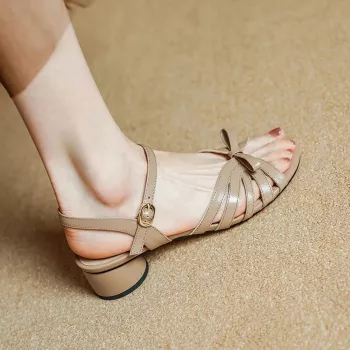
Check the product description for “full-grain” or “top-grain,” and look for minimal plastic-like shine, natural texture variation, and edges that don’t look overly painted or sealed. For sandals, also consider lining comfort, strap flexibility, and how the footbed is constructed, since these affect fit and longevity as much as the leather label.
For a practical breakdown of leather types, fit, styling, and care—especially for sandals—see the full guide here: https://supremechoiceden.shop/guide-genuine-leather-gladiator-sandals-1-2in-fit-style-care/.
FAQ
How do you care for leather sandals so they last longer?
Wipe them clean after wear, let them air-dry away from heat, and condition occasionally with a leather-appropriate conditioner. Store them in a cool, dry place and avoid soaking to reduce stiffness and premature cracking.














Leave a comment