Dynamic USB Mics: Real Options and What to Look For

Are there dynamic USB mics?
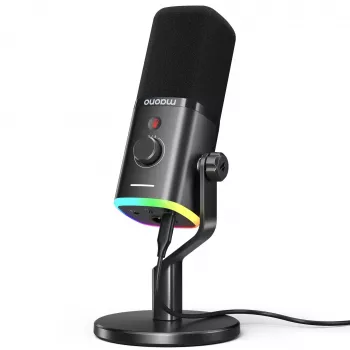
Yes—dynamic USB microphones exist, and they’re a practical option for streaming, gaming chat, podcasts, and voice calls where you want the background noise to stay in the background. Traditionally, dynamic mics needed an XLR connection and an audio interface, but many newer models combine a dynamic capsule with built-in USB conversion so they can plug straight into a computer or console (when supported).
How a dynamic USB mic differs from a condenser USB mic
A dynamic mic is generally less sensitive than a condenser, which can be a big advantage in a typical room with keyboard clicks, fans, or distant chatter. Dynamic USB mics tend to emphasize close-up voice capture, so you get the best results when speaking a few inches from the grille. Condenser USB mics can sound detailed and “airy,” but they often pick up more of the room.
What to look for when shopping
Not every “USB mic” labeled for streaming is dynamic, so it helps to confirm the capsule type. Useful features to compare include a cardioid pickup pattern (common for voice), onboard gain control and mute, headphone monitoring with a volume knob, and a sturdy stand or boom-arm compatibility. Some dynamic USB mics also include software-based noise reduction or EQ presets, but the core advantage is the mic’s natural rejection of ambient sound.
USB-only vs. USB + XLR dynamic mics
Some of the most flexible choices offer both USB and XLR outputs. USB is convenient for quick setups, while XLR can be a step up later if you add an interface or mixer. If an upgrade path matters, a dual-output model can save you from buying a second mic down the road.
Learn more about USB-C, XLR, and dynamic mic options
For a deeper look at connection types, compatibility, and what features matter most for gaming and voice work, visit the full guide here: https://supremechoiceden.shop/guide-usb-c-xlr-dynamic-gaming-mic-rgb-noise-reduction/.
FAQ
What’s the difference between USB and XLR microphones?
USB mics connect directly to a computer and include their own built-in audio interface. XLR mics require an external interface or mixer, but they offer more flexibility for upgrades, routing, and gain control.















Leave a comment