Heat at 70°F: Will It Spike Your Electric Bill?
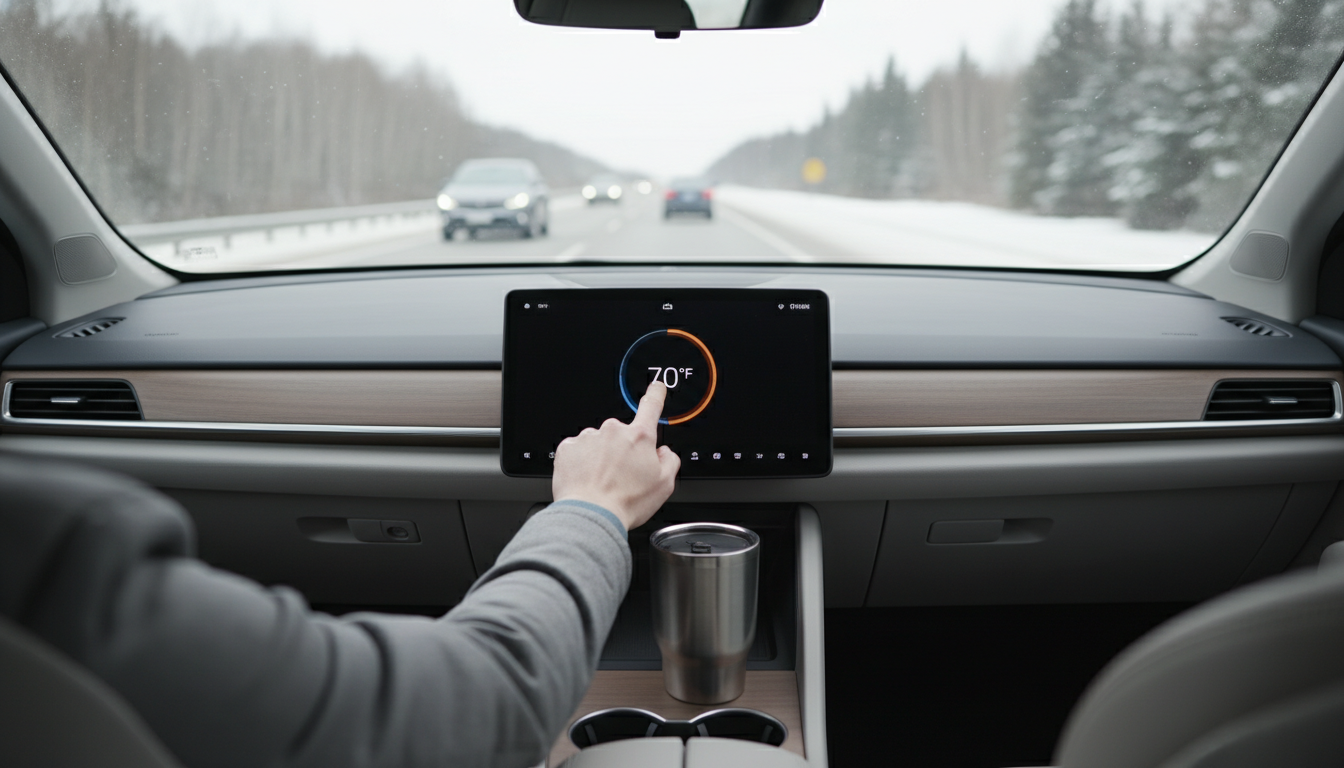
Will keeping the heat at 70 cause a high electric bill?
It can, but it depends on what kind of heat your home uses and how hard your system has to work to hold 70°F. If your heat is electric (baseboards, electric furnace, some heat pumps with frequent “aux” or emergency heat), a steady 70°F during cold weather can raise your electric bill noticeably—especially in an older or drafty home. If you have a gas furnace, keeping the heat at 70 usually impacts the gas bill more than the electric bill (though the blower fan still uses some electricity).
Why 70°F can get expensive
The bigger the gap between indoor and outdoor temperatures, the faster heat escapes through walls, windows, attics, and air leaks. On a mild day, 70°F may be easy to maintain. During a cold snap, your system may run for long stretches to replace lost heat. Electric resistance heat is the most costly per unit of heat, and many heat pumps switch to electric backup heat when it’s very cold or when the thermostat is set too high too quickly.
How to keep comfort without a bill shock
If 70°F is non-negotiable, focus on reducing run time rather than lowering the setting. Start with quick wins: seal drafts around doors and windows, add or replace weatherstripping, and use curtains strategically (open for daytime sun, closed at night). Keep the furnace filter clean so airflow isn’t restricted, and make sure supply vents aren’t blocked by furniture or rugs.
Also check your thermostat behavior. A small setback (like 1–3°F) can help, but aggressive setbacks can backfire with heat pumps by triggering auxiliary heat. If you have a heat pump, avoid big temperature jumps and look for “aux heat” indicators—frequent use is a red flag for higher electric costs.
Want fast, practical fixes?
For a simple, day-by-day plan to cut energy waste without major renovations, see this guide: Cut your electric bill with 7-day home fixes.
FAQ
Does turning the thermostat down 1 degree save electricity?
Often, yes—especially with electric resistance heat—because your system runs less to maintain a smaller indoor-outdoor temperature difference. Savings vary by weather, insulation, and whether your heat pump avoids auxiliary heat.
















Leave a comment