Youthful Skin Daily Habits: Simple Anti-Aging Checklist
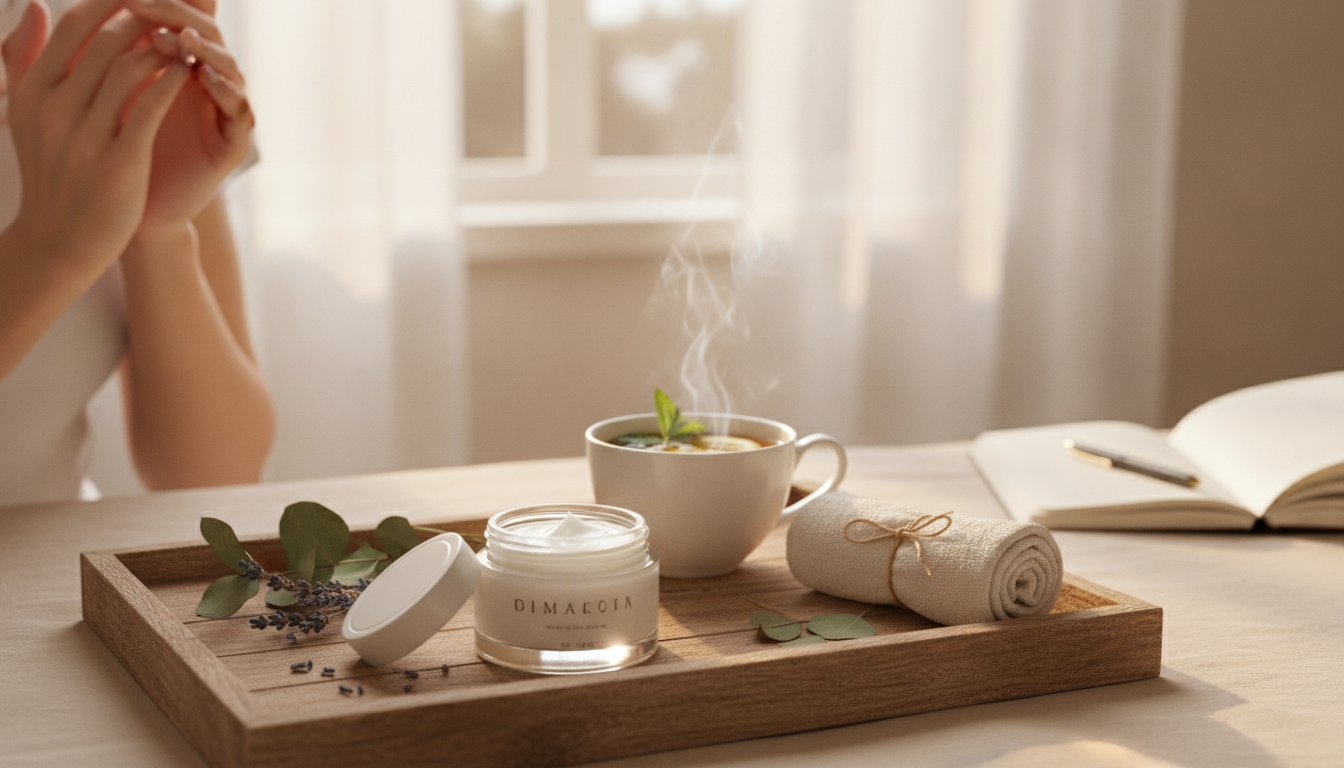
Daily Habits That Keep Skin Youthful: A Simple Anti-Aging Routine and Lifestyle Checklist
Youthful-looking skin is less about one “miracle” product and more about repeatable, low-effort habits that protect the skin barrier, support collagen, and reduce daily inflammation. The best routines are the ones that feel simple enough to do even when life is busy—because consistency is what keeps results moving in the right direction.
Below is a practical morning/evening/weekly rhythm, plus a quick checklist you can follow without overthinking.
The foundations: what actually makes skin look younger
- Protect collagen and elastin: UV exposure and repeated inflammation are major drivers of visible aging like fine lines, loss of firmness, and uneven tone.
- Support the skin barrier: A resilient barrier reduces dryness, redness, and sensitivity, so skin looks smoother and more even.
- Keep hydration steady: Water in the skin plus balanced oils creates plumpness and softens the look of lines.
- Minimize oxidative stress: Antioxidants (topical and dietary) help reduce damage from pollution, UV, and stress.
- Consistency beats complexity: A short routine done daily usually outperforms a long routine done occasionally.
Morning routine: protect, brighten, and prevent
- Gentle cleanse (or rinse): Cleanse to remove sweat/oil without stripping. If you wake up very dry, a water rinse followed by moisturizer can feel better than a full cleanse.
- Antioxidant step: Vitamin C, niacinamide, and similar antioxidants can help brighten and support a more even-looking tone over time.
- Moisturize for your skin type: Look for ceramides and glycerin for dryness, lightweight gel-creams for oilier skin, and fragrance-free formulas if you’re easily irritated.
- Daily sunscreen is non-negotiable: Use broad-spectrum SPF 30+ and apply generously to face, neck, and ears. Reapply when outdoors, especially during long exposures.
- Extra credit habits: Sunglasses/hat, avoiding direct midday sun when possible, and remembering the backs of hands (often a “tell” for visible aging).
For sunscreen basics straight from dermatology guidance, the American Academy of Dermatology Association’s sunscreen FAQs are a helpful reference.
Evening routine: repair, smooth texture, and reinforce the barrier
If you want a structured, printable-style routine you can follow without decision fatigue, the Daily Habits That Keep Skin Youthful – Anti-Aging Skincare Routine Guide (eBook + daily checklist) organizes the steps into a simple rhythm for mornings, nights, and weekly maintenance.
Weekly rhythm: small upgrades that compound
Glow-from-within lifestyle habits that show on the skin
- Sleep: Aim for consistent timing. Poor sleep can worsen dullness and make under-eye shadows more noticeable.
- Protein and colorful plants: Adequate protein supports skin structure, while fruits and vegetables provide antioxidants and carotenoids associated with healthy-looking tone.
- Hydration and electrolytes: Drink water regularly and include mineral-rich foods—especially if you exercise or live in a hot climate.
- Strength training + gentle cardio: Better circulation and metabolic health often translate to improved tone and lower inflammation over time.
- Stress management: Short daily practices (walks, breathwork, journaling) can reduce flare-ups in sensitive, acne-prone, or redness-prone skin. For evidence-based background, see the NCCIH overview on stress.
- Avoid smoking and limit heavy alcohol: Both can worsen dryness, redness, and long-term loss of firmness.
For a straightforward overview of gentle, effective basics, Harvard Health Publishing’s skin care basics is a solid guidepost.
Daily skin care checklist (printable-style quick view)
| Time | Core steps | Optional add-ons | Notes to keep it gentle |
|---|---|---|---|
| Morning | Cleanse/rinse → antioxidant serum → moisturizer → SPF 30+ | Eye cream, lip SPF, hat/sunglasses | If skin feels tight, cleanse less and moisturize more |
| Evening | Cleanse (double-cleanse if needed) → treatment → moisturizer | Face oil on dry patches, occlusive on spots | If irritation appears, pause actives and focus on barrier repair |
| Weekly | Exfoliate 1–3x → hydration night → clean tools/linens | Clay mask only if oily/congested | Over-exfoliation often looks like redness + sensitivity + flaking |
Make it effortless: routines, reminders, and gentle tracking
- Build a “minimum routine” for low-energy days: Morning: cleanse (or rinse) + moisturizer + SPF. Night: cleanse + moisturizer.
- Use environmental cues: Keep SPF by the door, moisturizer by the sink, and lip balm in your bag so you miss fewer steps.
- Track consistency, not perfection: Checking off “did the basics” is often more helpful than constantly adding products.
- Patch test new actives and add slowly: Fewer reactions means fewer resets and more steady progress.
- Use tools that reduce planning friction: If building habits is the hard part, the AI Tools to Organize Your Life Guide – planner companion for building consistent routines can help set up reminders and a simple cadence for repeatable self-care.
FAQ
What daily habit makes the biggest difference for youthful skin?
Daily broad-spectrum sunscreen (SPF 30+) makes the biggest visible difference over time, especially when applied generously and reapplied during outdoor exposure. Pair it with gentle cleansing and consistent moisturizing to keep the barrier calm.
How long does it take to see results from an anti-aging routine?
Hydration and glow can improve in days to weeks, while tone and texture changes often take 4–12 weeks. Collagen-supporting results from sun protection and retinoids build gradually over months.
Can retinoids and exfoliants be used together?
Many people do best alternating them on different nights to reduce irritation. Start with low frequency, support the barrier with moisturizer, and adjust based on how your skin feels week to week.
















Leave a comment