Silver Flatware Sets: Value, Marks, and What Matters
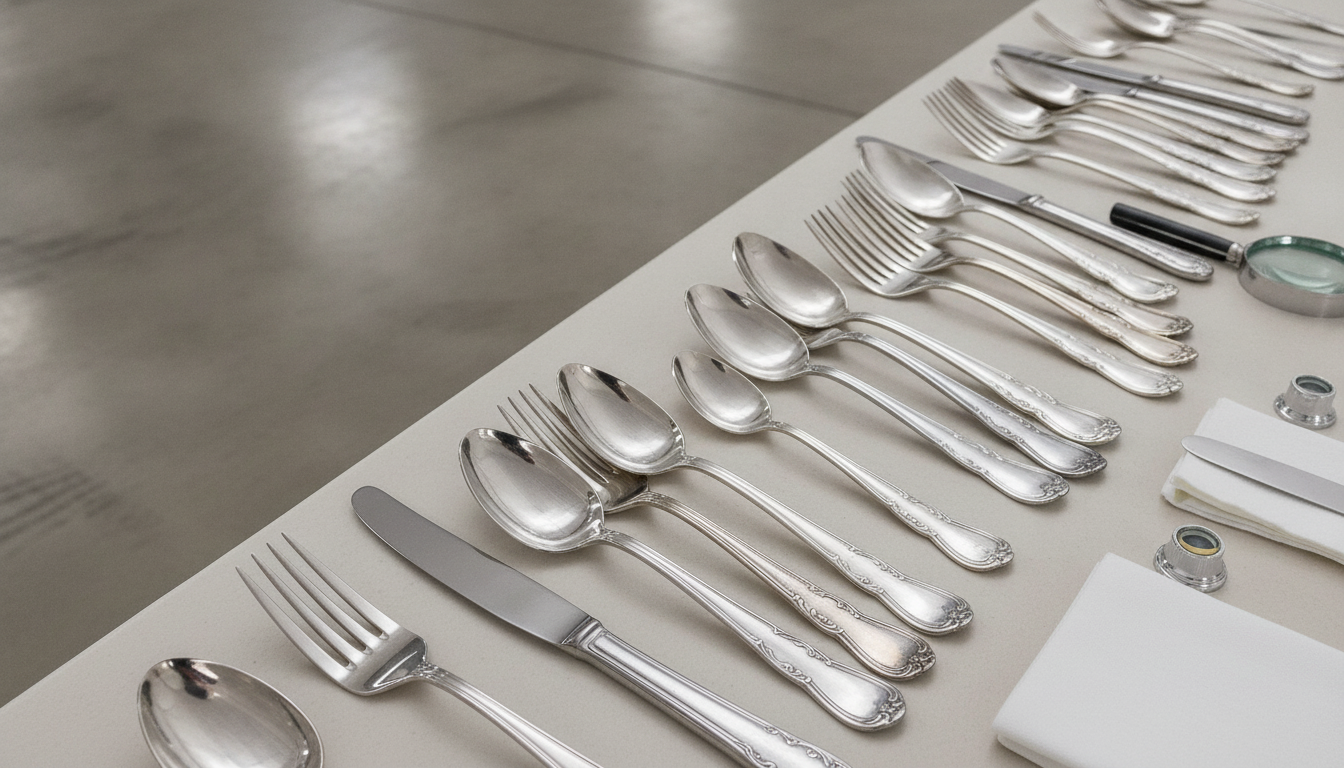
Are silver flatware sets valuable?
Silver flatware sets can be valuable, but the price range is wide. Value usually comes from what the set is made of (sterling vs. silverplate), the brand and pattern, the condition, and how complete the set is. Some sets are primarily worth their “melt value,” while others command strong premiums as collectibles or high-end tableware.
What makes a silver flatware set valuable?
The biggest driver is silver content. Sterling silver (typically marked “925,” “Sterling,” or “Ster.”) contains 92.5% silver and generally carries the highest intrinsic value. Silver-plated flatware has a thin layer of silver over a base metal, so its value is usually much lower and depends more on style, maker, and condition than on metal content.
Beyond metal, collectors often pay more for recognizable makers, popular patterns, and sets that include serving pieces. A complete set (for example, service for 6 or 12 with matching spoons, forks, knives, and servers) tends to be more desirable than a mixed assortment.
How to tell if it’s sterling or plated
Check the back of the handles near the neck for hallmarks. Sterling marks include “Sterling,” “925,” “Lion Passant” (UK), or other official assay symbols. Plated items are commonly marked “EP,” “EPNS,” “A1,” “Community,” or “Silverplate.” If markings are worn, a reputable jeweler, antique dealer, or metal buyer can help identify it.
Condition and completeness: the hidden value factors
Deep scratches, bent tines, blade wear, and monogramming can reduce resale value, especially for collectible patterns. Tarnish is normal and usually fixable, but pitting and plate loss are harder to remedy. Original boxes and documentation can also help, particularly for giftable sets.
When “silver-looking” flatware is valuable for reasons other than resale
Even when resale value is modest, flatware can be valuable as a long-term table upgrade—durable, timeless, and often easier to coordinate with modern place settings than ornate heirloom patterns. For a contemporary look that still feels elevated, see this guide to a mixed-tone flatware set: https://supremechoiceden.shop/guide-mixed-tone-flatware-set-24-piece-service-for-6/.
FAQ
How do you clean and store silver flatware to protect its value?
Rinse and dry promptly, polish only as needed with a non-abrasive silver polish, and store in a dry chest or anti-tarnish cloth. Avoid rubber bands and high-humidity areas to reduce tarnish and corrosion.









Leave a comment