Bluetooth for FPV Drones: Needed to Fly or Just Setup?
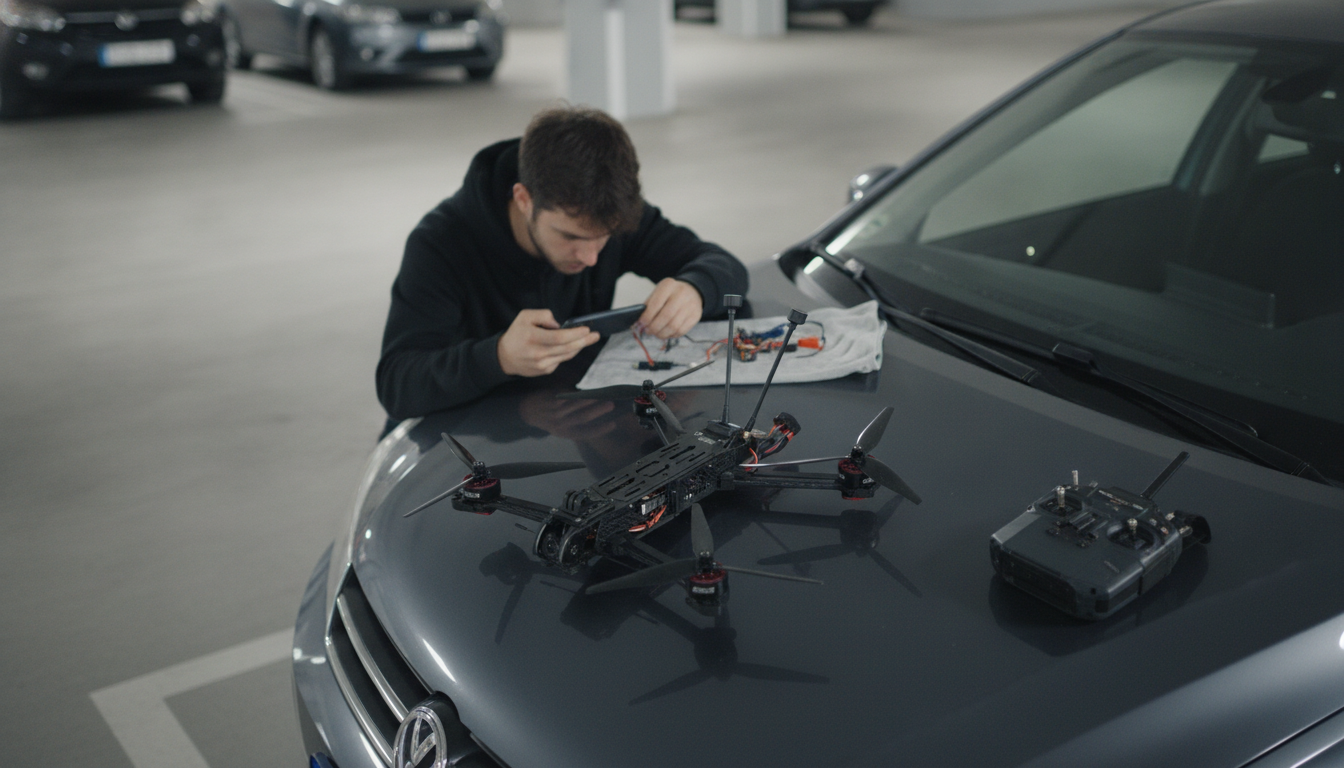
Is Bluetooth needed to fly an FPV drone, or is it only for setup and settings?
Bluetooth is usually not needed to fly an FPV drone. Most FPV quads fly over traditional radio control links (2.4 GHz, 900 MHz/ELRS, Crossfire, etc.) while the live video feed uses a separate analog 5.8 GHz or digital FPV system. In that common setup, Bluetooth is mainly a convenience feature for setup, changing settings, and quick field adjustments.
When Bluetooth is used on FPV gear
Bluetooth shows up most often in add-on modules and receivers that let you connect a phone or computer to configure features without plugging in a cable. Typical uses include:
- Changing receiver or radio module parameters (packet rate, power levels, binding options).
- Adjusting flight-controller settings through an app-supported link (less common than USB, but available on some setups).
- Updating certain components or loading presets when you don’t want to pull out a laptop.
Once settings are saved, the drone can be powered up and flown normally without any Bluetooth connection active.
When Bluetooth might matter during a flying session
Bluetooth can be helpful if you want to tweak settings at the field—like switching output power, changing a mode, or troubleshooting a link—without disassembling your build or connecting a USB cable. That said, it’s still not part of the core control or video chain for most FPV pilots. If Bluetooth drops or your phone battery dies, your drone can still fly as long as your transmitter link and FPV video system are working.
What to focus on for reliable flight
For actual flight performance, the critical pieces are the radio link quality, antenna placement, video system choice, and power/noise management. If you’re building or tuning a long-range FPV quad and want practical guidance on Bluetooth setup, range expectations, and field tips, see the full guide here: https://supremechoiceden.shop/guide-long-range-fpv-quadcopter-bluetooth-setup-range-tips/.
FAQ
Can Bluetooth interfere with FPV video or radio control signals?
Bluetooth operates at 2.4 GHz, so it can add local noise in the same band as many control links and some Wi‑Fi-based digital systems. In practice, the impact is usually small, but turning off unnecessary Bluetooth devices can reduce clutter in a busy RF environment.













Leave a comment