Dual Head Electric Showers: Worth It? Pros, Cons & Tips
Are dual head electric showers any good?
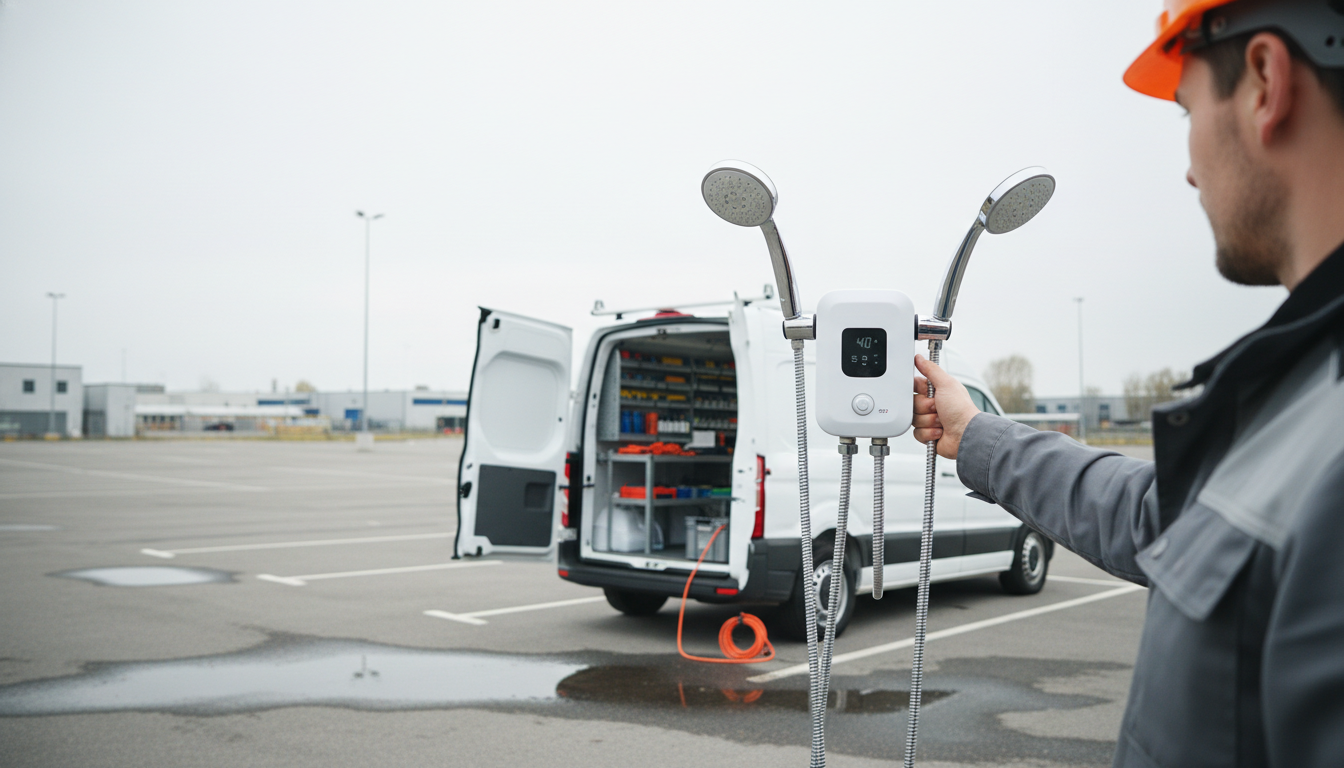
Dual head electric showers can be very good if the installation matches your home’s water pressure and electrical capacity. The main benefit is flexibility: a fixed overhead spray can cover your whole body quickly, while a handheld head helps with targeted rinsing, hair washing, or cleaning the shower area. For households sharing one bathroom, having two spray options can also make daily routines feel faster and more comfortable.
When dual head electric showers shine
They’re especially useful in homes where water pressure is inconsistent, since many electric shower units are designed to provide a reliable spray pattern even when incoming pressure is lower. A dual setup also lets you switch between a wide “rain” feel and a more concentrated handheld stream for muscle soreness, post-workout rinses, or simply a stronger wash. Some models include multiple spray modes, which helps tailor the experience without changing fixtures.
Potential downsides to know
Not all dual head designs deliver full performance to both heads at once. Many systems prioritize one head, meaning you may have to use a diverter to choose overhead or handheld rather than running both strongly together. Electric showers also require correct wiring and a suitably rated circuit; if the unit is underpowered for the desired flow rate, water may feel less forceful or cooler when you try to boost spray intensity.
What to look for before buying
Check the unit’s power rating (kW), compatibility with your plumbing (mains-fed vs. tank-fed, where applicable), and whether it includes a true diverter valve or simultaneous output. Also consider hose length, anti-limescale nozzles if you have hard water, and the ease of replacing the handset and head. For a deeper look at comfort-focused, multi-mode options and what features matter, visit this guide.
FAQ
Do dual head shower systems reduce water pressure?
They can if both heads run at the same time, since the flow is split between outlets. If the system uses a diverter to run one head at a time, pressure typically feels similar to a single-head setup.















Leave a comment