Dual-Head Heated Massage Gun: 4 Speeds for Relief
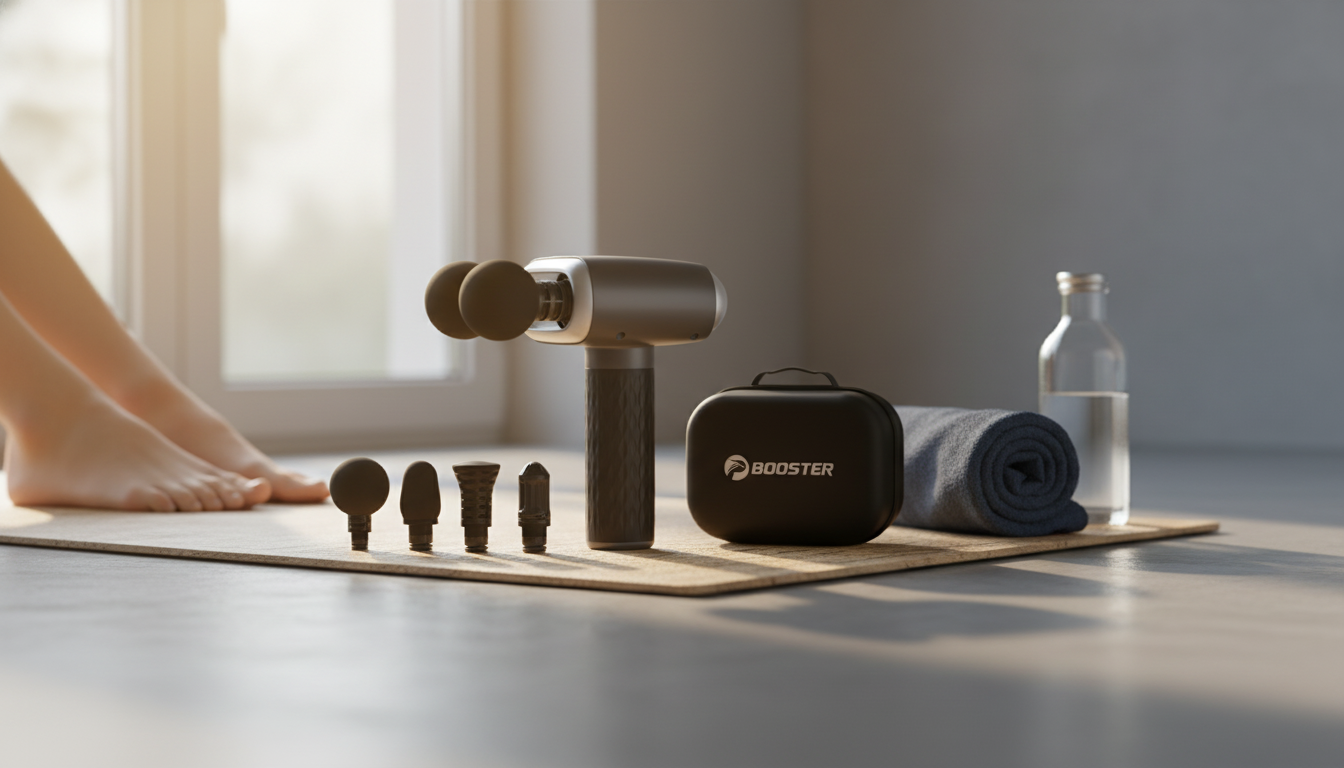
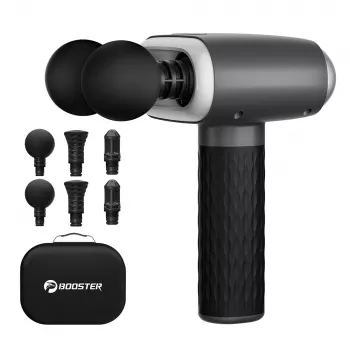
Dual Head Electric Massage Gun with Heat & 4 Speed Settings for Everyday Body Relief
Tight shoulders, sore legs, and post-workout stiffness often need more than a quick stretch. A dual head electric massage gun that adds soothing heat and multiple speed levels can help relax muscles, improve comfort, and support recovery routines at home, at the gym, or while traveling. With two heads working at once, you can cover more muscle in less time—without constantly shifting angles or re-gripping the handle.
What Makes a Dual Head Massage Gun Different
Most massage guns focus on one contact point. A dual head design changes how the pressure feels and how quickly you can work through larger muscle groups.
- Wider coverage per pass: Two massage heads operate at the same time, helping reduce the need to reposition constantly.
- Steadier feel on bigger muscles: Balanced pressure across both heads can feel more even on thighs, glutes, back muscles, and calves.
- Helpful for “paired” areas: A dual head layout can be useful for symmetrical zones (like both calves or the muscles alongside the spine region), while still working well on single, tight spots when you angle it slightly.
Heat + Percussion: How the Combination Supports Comfort
Heat and rhythmic percussion are often used for the same reason: to help the body feel looser and more comfortable. Together, they can make sessions feel smoother—especially when stiffness shows up after long sitting, travel, or a tough workout.
- Warmth for “tight” days: Gentle heat can help muscles feel more relaxed before or during massage, especially when stiffness is linked to inactivity or cold environments.
- Percussion for focused relief: Percussive massage targets soft tissue with rhythmic pulses that may help reduce the sensation of tightness and support post-activity comfort.
- Pairing strategy: Using heat first (or heat during lower speeds) can be a good option for warm-up; higher speeds without prolonged heat can suit brief recovery sessions.
General heat-therapy guidance can be helpful when deciding when warmth fits your routine. See Mayo Clinic’s overview of heat therapy and Harvard Health’s guide on when to use heat vs. cold for practical context.
4 Speed Settings: A Practical Guide for Real Use
Four speeds is a sweet spot for everyday users: enough range to adapt to different muscle groups, without complicated menus. The goal is controlled contact—never forcing the device into tissue.
- Lower speeds: Better for sensitive areas, first-time users, or winding down after a long day.
- Medium speeds: Helpful for general muscle tightness in calves, hamstrings, quads, and upper back.
- Higher speeds: Suitable for short passes over denser muscles after training, avoiding bony areas and tendons.
- Simple progression: Start low for 30–60 seconds, then increase only if it stays comfortable and controlled.
| Area / Situation | Suggested starting speed | Suggested session style |
|---|---|---|
| Neck/upper traps (carefully, avoid throat/front of neck) | Low | Short passes, light pressure, 30–60s |
| Shoulders/upper back | Low–Medium | Slow sweeps, pause on tight spots, 60–90s |
| Quads/hamstrings/glutes | Medium | 2–3 passes per area, 60–120s |
| Calves/feet arches (avoid bony points) | Low–Medium | Gentle, controlled, 45–90s |
| Post-workout legs | Medium–High | Brief targeted work, 30–60s per muscle |
Key Features to Look For in This Style of Massage Gun
Dual-head devices with heat tend to be chosen for convenience: fewer passes, less hand repositioning, and a more “ready-to-use” feel for daily relief.
- Dual head coverage for faster sessions on large muscle groups.
- Heat function for added relaxation and warm-up support.
- Multiple speeds so intensity can match the muscle group and your sensitivity that day.
- Ergonomic grip and manageable weight to reach back, glutes, and calves without straining your wrist.
- Battery and portability so it’s realistic to keep in a gym bag or use while traveling.
How to Use It Safely and Effectively
A massage gun should feel like guided pressure—not a bruising tool. Better results usually come from short, consistent sessions and calm technique.
- Start with clean, dry skin; avoid use over lotions that make the device slip.
- Keep the device moving slowly; hovering too long on one spot can increase irritation.
- Avoid direct use over joints, bones, the front/side of the neck, and any area with sharp pain, swelling, or bruising.
- Typical timing: 30–120 seconds per muscle group is often enough; more time isn’t always better.
- If numbness, tingling, or worsening pain occurs, stop and reassess technique or consult a clinician.
If soreness is linked to a strain or overuse, general home-care guidance can help you decide when to rest versus when to use gentle modalities. Cleveland Clinic’s overview of muscle strain treatment and home care is a useful reference.
Where Heat Helps Most (and When to Skip It)
Care, Cleaning, and Storage
Who This Massage Gun Fits Best
Product Snapshot
Shop Options (In Stock)
- Dual Head Electric Massage Gun with Heat & 4 Speed Settings for Body Relief
- Bicycle Touring Tips – The Ultimate Bicycle Touring Tips Guide for Planning, Packing & Riding with Confidence | Digital Download
- The Art of a Real Compliment: How to Give a Genuine Compliment in Every Situation
FAQ
How long should a massage gun be used on one area?
For most people, 30–120 seconds per muscle group is plenty. Keep the device moving slowly and stop if you feel sharp pain, numbness, or tingling.
Is heat safe to use every day with a massage gun?
Daily heat can be fine if your skin tolerates it well and sessions are brief. Avoid heat if there’s swelling, a fresh injury, or heat sensitivity, and follow the device instructions.
Can a massage gun be used on the lower back?
Yes—use light to medium pressure on the surrounding muscles and avoid pressing directly on the spine or bony areas. Slow, controlled passes tend to feel best.














Leave a comment