Utensil Skills in Autistic Toddlers: What to Expect
Do autistic toddlers use utensils?
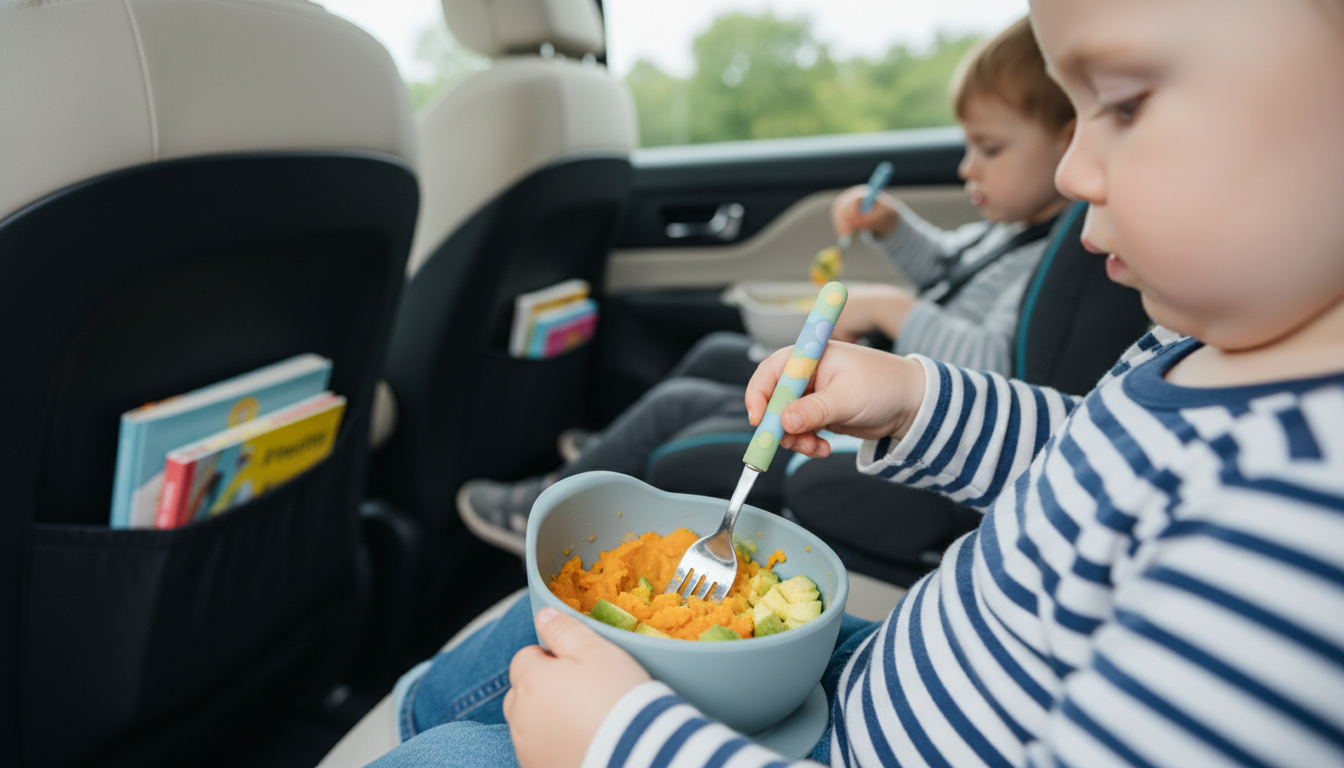
Yes—many autistic toddlers do use utensils, and many others learn with extra time and the right supports. Utensil use depends less on an autism label and more on a child’s motor skills, sensory preferences, communication, and comfort with new routines. Some autistic toddlers scoop confidently with a spoon early on, while others prefer finger foods longer, resist certain textures, or struggle with coordination and hand strength.
What utensil challenges can be common for autistic toddlers?
Some toddlers find utensils hard because of fine-motor planning (bringing the utensil to the mouth without spilling), low muscle tone, or difficulties coordinating both hands (stabilizing the bowl while scooping). Sensory sensitivities can also play a big role: the sound of metal on a plate, the feel of certain handles, or the texture of foods can make utensil practice feel overwhelming. Changes in routine may add another hurdle if a toddler strongly prefers familiar feeding patterns.
How to support utensil skills in a toddler with autism
Start where your child is comfortable. If finger foods are going well, you can introduce utensils alongside them rather than replacing them. Offer short, low-pressure opportunities—one or two bites with a spoon, then back to what’s familiar. Modeling helps: eat together and let your toddler watch how you scoop and bring food to your mouth.
Choosing the right tool can make a noticeable difference. Many toddlers do better with a short-handled, easy-grip spoon or fork, and some prefer a smaller bowl on the spoon to reduce spills. If sensory discomfort is an issue, try different materials (silicone, plastic, or metal) and different food temperatures and textures.
For a practical, step-by-step timeline and utensil options, see this guide on when to introduce utensils to toddlers.
When to ask for extra help
If utensil use isn’t improving over time, meals feel consistently stressful, or there are concerns about chewing, gagging, or self-feeding in general, an occupational therapist or feeding specialist can offer targeted strategies tailored to your child’s needs.
FAQ
What are the best utensils for toddlers who are learning to self-feed?
Look for short handles, a chunky non-slip grip, and a spoon bowl that’s not too deep. Many toddlers also do well with a toddler fork with rounded tips and easy-to-hold sides.














Leave a comment