Portable Projectors and Speakers: What to Expect
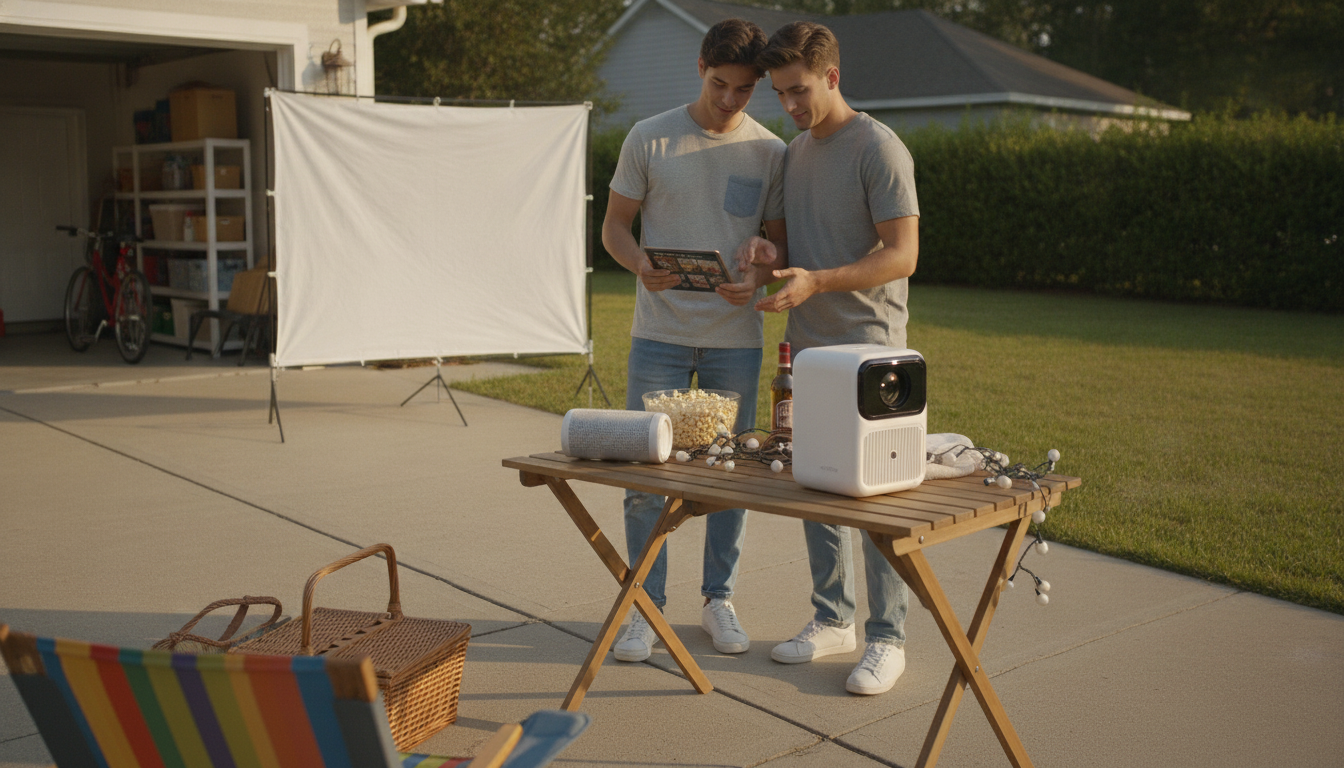
Do portable projectors have speakers?
Most portable projectors do have built-in speakers, but the quality and loudness vary a lot by model. Many are designed for convenience—quick movie nights, casual presentations, or travel—so an onboard speaker is common. That said, built-in audio is usually best for small rooms, quiet environments, or spoken dialogue rather than big, immersive sound.
What built-in projector speakers are typically like
Portable projector speakers are often small (commonly in the 1–5 watt range per speaker, depending on the device). They can handle basic audio, but they may struggle with deep bass, filling a large room, or staying clear at high volumes. Fan noise can also compete with the speaker, especially in brighter modes when the cooling system works harder.
When the built-in speaker is “good enough”
If you’re watching a show in a bedroom, using the projector for a kids’ cartoon, or giving a quick slideshow, the built-in speaker can be perfectly fine. It’s also handy outdoors when you want fewer cables and a faster setup, as long as everyone is sitting relatively close to the projector.
When you’ll want external audio
For movie nights, gaming, or larger gatherings, external audio usually makes the biggest upgrade. Look for a portable projector with Bluetooth audio, a 3.5mm headphone jack, or HDMI ARC/eARC (less common on ultra-portables). Bluetooth is convenient, but it can introduce a slight delay; a wired connection is often more reliable for syncing voices with the picture.
How to check your projector’s audio options
Before buying, confirm both the speaker specs and the output options you’ll actually use—Bluetooth version/support, AUX out, and whether it can pass audio from HDMI devices. If you’re setting up a compact projector with modern connectivity, this guide may help: mini projector setup guide with auto focus and dual WiFi 6.
FAQ
Can you connect a portable projector to a Bluetooth speaker?
Many portable projectors support Bluetooth audio, letting you pair a wireless speaker for louder, fuller sound. If you notice lip-sync issues, switch to a wired connection (AUX) when possible or look for a low-latency Bluetooth mode.













Leave a comment