Build Confidence Living Alone: A Simple 14-Day Plan
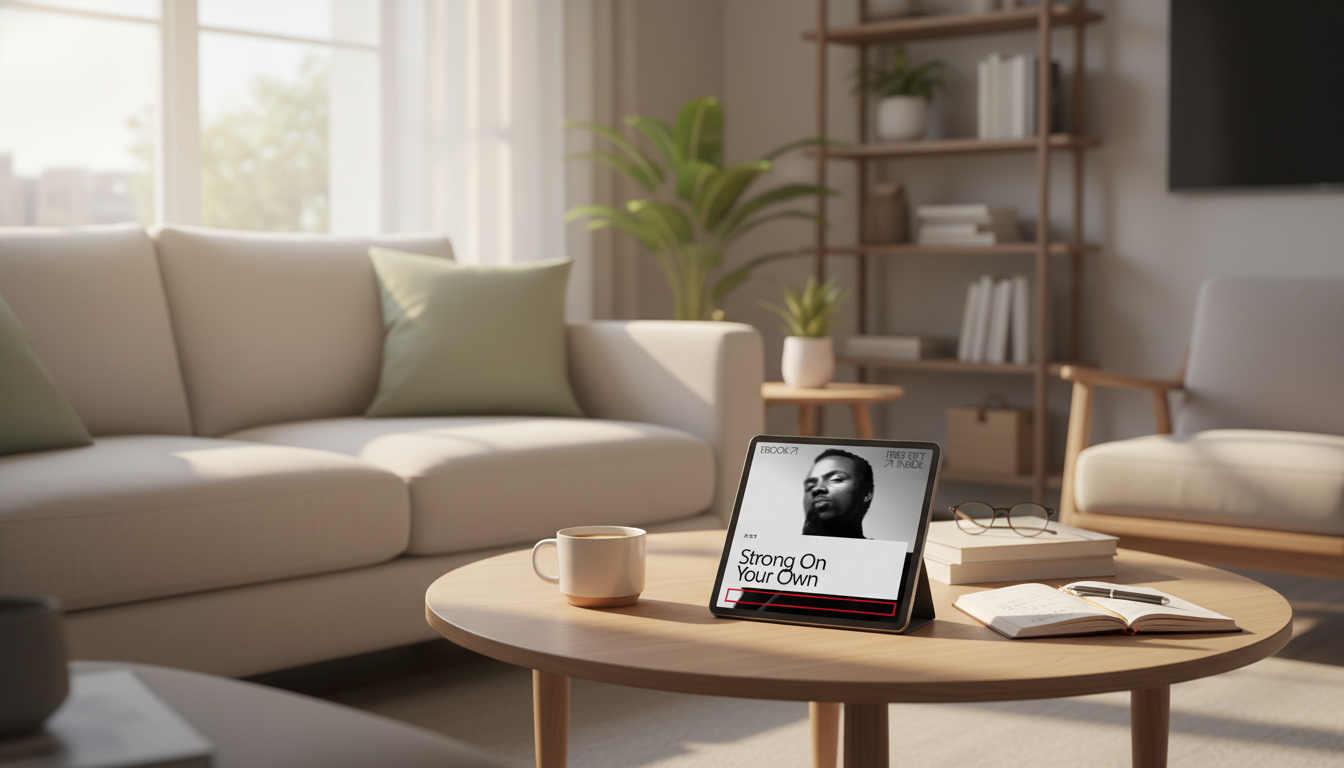
Strong on Your Own: A Confidence-Building Ebook Guide on How to Be Confident When Living Alone
Living alone can feel freeing and unsettling at the same time. Confidence grows fastest when daily choices support safety, structure, self-trust, and meaningful connection. This guide breaks down practical steps for feeling grounded at home, comfortable in silence, and capable of handling everyday challenges independently.
What confidence looks like when living alone
Confidence at home isn’t loud or dramatic. It’s the quiet sense that you can handle what’s in front of you—even if you’re doing it without an audience.
- Confidence as self-trust: making decisions without constant outside validation, then standing by them long enough to learn.
- Calm in the home: feeling safe, settled, and in control of your environment (even if it’s small or imperfect).
- Competence basics: managing meals, money, chores, and simple problem-solving without avoiding the essentials.
- Emotional steadiness: handling loneliness, boredom, and anxious thoughts without spiraling into worst-case stories.
- Healthy independence: asking for help when needed without treating it like failure.
Common confidence blockers (and what they’re really signaling)
When confidence drops, the cause is often practical—not a character flaw. Most “I can’t do this” moments are signals that a system is missing.
- Fear of emergencies: signals a need for a simple safety plan and a few preparedness basics.
- Loneliness at night or weekends: signals a need for intentional social structure and comforting rituals.
- Second-guessing every choice: signals unclear priorities and weak decision rules.
- Avoiding home tasks: signals overwhelm—break tasks into tiny, repeatable routines.
- Comparing to others: signals a need to define personal standards for “doing well,” not borrowed ones.
Foundations: safety, stability, and a home that supports confidence
Confidence rises when your baseline needs are handled: you feel secure, you know what to do next, and you can find what you need without turning your apartment into a scavenger hunt.
Simple at-home confidence essentials
| Area | Keep it simple | Why it helps |
|---|---|---|
| Safety | Trusted contact list + basic kit | Reduces “what if” anxiety and increases control |
| Money | Bill dates + small buffer goal | Prevents late-fee stress and decision fatigue |
| Home systems | One place for keys, mail, and chargers | Stops small chaos from eroding confidence |
| Health | Easy meals + consistent sleep window | Improves energy and emotional steadiness |
| Mindset | One daily promise kept | Builds self-trust through follow-through |
A 14-day confidence plan for living alone
Two-week starter schedule
| Day | Focus | Small action |
|---|---|---|
| 1 | Safety baseline | Write 3 emergency contacts and post them somewhere accessible |
| 2 | Home comfort | Set up one calming spot (lamp, blanket, book, tea) |
| 3 | Confidence cue | Choose a “daily promise” you can keep in 5 minutes |
| 4 | Food basics | Pick 2 easy breakfasts and shop for them |
| 5 | Tidiness routine | Do a 10-minute reset timer and stop when it ends |
| 6 | Money clarity | List bill due dates and set reminders |
| 7 | Solo competence | Handle one adult task you’ve been avoiding |
| 8 | Body confidence | Take a 20-minute walk without headphones for part of it |
| 9 | Decision rules | Write 3 priorities for the month to guide choices |
| 10 | Social structure | Schedule one call or coffee for the next 7 days |
| 11 | Boundary practice | Say no (politely) to one thing that drains time or energy |
| 12 | Skill-building | Learn one micro-skill (simple recipe or basic home fix) |
| 13 | Reflection | List 5 things you handled well this week |
| 14 | Next challenge | Pick one stretch goal for the next 14 days and set the first step |
Mental habits that convert solitude into strength
Stress and anxiety can show up physically—sleep disruption, tension, stomach issues—so treating your baseline seriously isn’t “being dramatic.” It’s smart self-management. Helpful overviews include the American Psychological Association’s summary on how stress affects the body and the National Institute of Mental Health guide to anxiety disorders.
Building a life outside the apartment without losing independence
If you need simple coping ideas you can plug into a routine, the CDC’s stress coping resource is a practical starting point.
Using the Strong on Your Own ebook guide day by day
If you want a structured, step-by-step way to build confidence while living alone, start with Strong on Your Own: A Confidence-Building Ebook Guide on How to Be Confident When Living Alone. It works best when you treat reading like training: small lesson, small action, repeat.
To keep confidence clean (not performative), use Confidence, Not Ego – Checklist to Understand Confidence vs Ego Explained Simply. It’s a quick way to spot when you’re chasing approval instead of building skills. And when you’re ready to strengthen everyday social ease without forcing a new personality, The Art of a Real Compliment: How to Give a Genuine Compliment in Every Situation can help you connect in small, natural moments.
FAQ
How long does it take to feel confident living alone?
Many people feel noticeably steadier within a few weeks, with deeper confidence building over a couple of months. Routines and basic preparedness speed it up because they remove daily uncertainty. A simple 14-day plan can create quick momentum and make the next month feel easier.
What if living alone makes anxiety worse at night?
Use a consistent nighttime routine, reduce stimulants late in the day, do a quick safety check, and limit doom-scrolling before bed. Add grounding tools like slow breathing or a short “what went right today” note to calm the nervous system. If nighttime anxiety is persistent, severe, or disrupts daily functioning, professional support can help.
How can confidence improve without becoming ego?
Confidence is accurate self-trust based on skills and follow-through, while ego is often a fragile need to protect an image. Focus on consistency, learning, and honest self-assessment rather than comparison. A simple checklist can help catch ego traps like defensiveness, exaggeration, and chasing validation.














Leave a comment