Quartz Watch Starting Price: What to Expect ($15–$30+)

What is the starting price of a quartz watch?
The starting price of a quartz watch is typically around $15–$30 for basic, no-frills models. These entry-level options usually focus on accurate timekeeping and simple styling, with fewer premium upgrades in the case, crystal, or bracelet.
Why the “starting price” can vary so much
Quartz watches share the same core advantage—reliable, battery-powered accuracy—but the materials and finishing quickly change the cost. A budget quartz watch often uses mineral glass, plated alloys, and a simpler movement with fewer refinements. Step up to better durability and you’ll see prices rise for features like stainless steel cases, improved water resistance, and higher-quality straps or bracelets.
Typical price tiers for quartz watches
Budget: $15–$30. Great for a backup watch, casual wear, or trying out a new style without a big commitment.
Value: $30–$100. More consistent case finishing, more comfortable bands, and better everyday toughness.
Midrange and above: $100+. This is where you start seeing upgrades that affect longevity and clarity, such as sapphire crystal, stronger lume, and better seals for water resistance.
What features raise the minimum price the most
If you’re comparing “cheapest available” versus “best starter buy,” crystal type and build quality matter. Sapphire crystal is significantly more scratch-resistant than mineral glass and tends to push prices upward. Luminous dials and hands can also add cost, but they’re often worth it if you want quick readability in low light.
Choosing a smart starting point
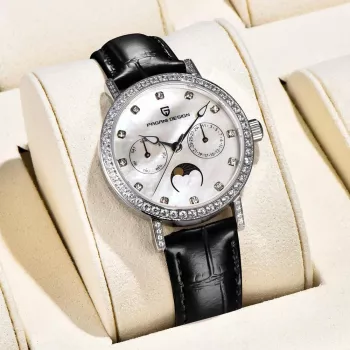
For a quartz watch that’s still affordable but built to last, look for practical upgrades like a solid case material and a clear, durable crystal. For a deeper breakdown of sapphire crystal, luminous dials, and what to prioritize when shopping, visit this women’s quartz watch guide.
FAQ
How long does a quartz watch battery usually last?
Most quartz watch batteries last about 1–3 years, depending on the movement and features. Watches with power-hungry functions or very bright illumination may need changes more often.












Leave a comment