Fun At-Home Hobbies for Adults: Creative, Fit, Focused
Fun Hobbies for Adults at Home: A Simple, Inspiring Guide to Creative, Fitness, and Mind-Engaging Activities
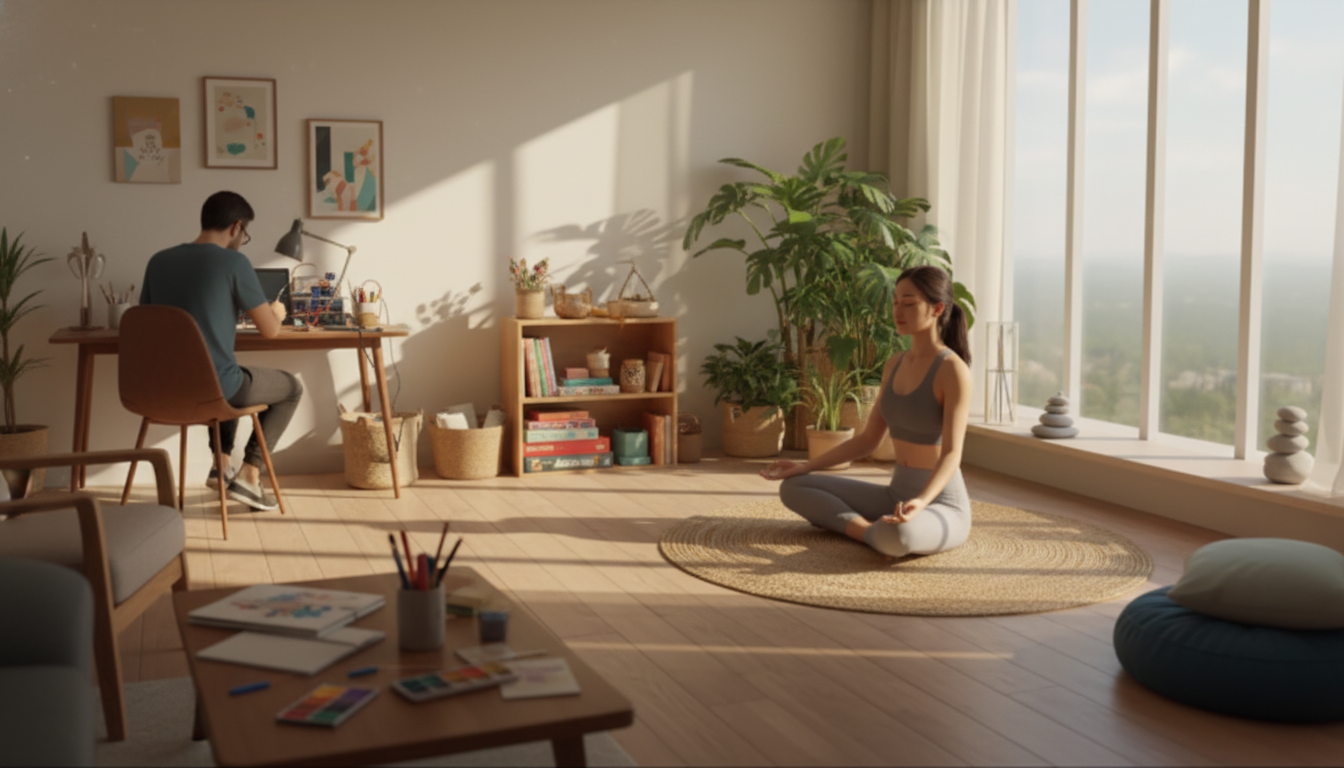
Home can be the easiest place to start something new—without the pressure of classes, commutes, or expensive gear. The best hobbies fit real life: limited space, limited time, and changing energy levels. Use this guide to pick activities that feel fun now, build skills over time, and support creativity, movement, and mental focus.
Start with the “right-sized” hobby
A hobby “sticks” when it matches the day you’re actually having. Keep one low-friction option for busy weekdays and one deeper project for slower weekends. Before you pick, decide what you want most: relaxation, energy, social connection, learning, or a creative outlet. Then set a minimum commitment—10 minutes is enough to avoid the all-or-nothing trap.
Make starting effortless by keeping supplies visible: a sketchbook on the coffee table, a yoga mat rolled out in a corner, a puzzle board you can slide under the couch, or a small bin that holds everything for one project.
| Goal | 10–15 minutes | 30–45 minutes | Small space |
|---|---|---|---|
| Relax | Breathing + short stretch | Coloring, journaling, slow yoga | Yes |
| Create | Sketch a prompt, photo edit | Watercolor, DIY craft, baking | Yes |
| Move | Mobility flow, stair intervals | Dance workout, bodyweight circuit | Yes |
| Focus | Brain game, 1 puzzle round | Chess study, language practice | Yes |
| Connect | Send a voice note | Online club/lesson, co-op game | Yes |
Creative hobbies that feel satisfying fast
Creative hobbies are great for quick wins because you can finish a “mini output” in one session: a page, a photo, a recipe, a small craft. Keep the goal simple: show up, make something, stop before it becomes a chore.
- Drawing or doodling: Use easy prompts like objects on the table, a 5-minute portrait, or a favorite movie scene. A cheap pen is enough—consistency matters more than supplies.
- Journaling with structure: Try “one line a day,” gratitude plus one action step, or a quick mood log. Structure reduces decision fatigue and makes it easier to continue.
- Baking or cooking a theme night: Rotate cuisines, master one signature dish, or start a weekly bread routine. Repeating one recipe is a skill-builder, not “getting stuck.”
- DIY crafts: Candle making, simple macramé, collages, or upcycling something you already own (like a jar into a storage container). Keep it small enough to finish.
- Photography at home: Practice light and composition using windows, plants, pets, or flat-lay setups. Create a weekly “home photo challenge” to stay inspired.
If you want a structured menu of ideas you can revisit anytime, explore Fun Hobbies for Adults at Home – A Simple & Inspiring Guide to Creative, Fitness, and Mind-Engaging Activities.
Fitness hobbies you can do in a living room
Fitness hobbies work best at home when they’re repeatable and mood-friendly. Aim to finish feeling better than when you started. For health benefits, you can also align your routine with the Physical Activity Guidelines for Americans and the CDC’s overview of benefits of physical activity.
- Dance-based workouts: Pick one playlist and build a repeatable routine. If it motivates you, film a short clip monthly to notice progress.
- Yoga or mobility: Focus on consistency over intensity. A good session leaves joints and posture feeling smoother, not strained.
- Bodyweight strength: Squats, push-ups (incline counts), glute bridges, and planks. Add a rep or two each week rather than overhauling everything.
- Low-impact cardio: Marching intervals, step-ups on a sturdy step, or shadowboxing rounds. Short bursts can be surprisingly effective.
- Skill-based movement: Juggling, jump rope (if space allows), balance drills, or footwork patterns—great when you want “play” more than “workout.”
For outdoorsy goals later, planning ahead can be a hobby too. Bicycle Touring Tips – The Ultimate Bicycle Touring Tips Guide for Planning, Packing & Riding with Confidence is a practical option when you’re ready to turn movement into an adventure.
Mind-engaging hobbies that sharpen focus
Mind-engaging hobbies are ideal when you want calmer concentration—something absorbing enough to interrupt stress spirals. Chronic stress can affect the body and attention, so building small focus habits can be a meaningful counterbalance (see the APA’s overview of stress effects on the body).
For a mindset boost that pairs well with any hobby (especially when you’re learning in public or sharing progress), Confidence, Not Ego – Checklist to Understand Confidence vs Ego Explained Simply can help you stay grounded while you improve.
Build a simple routine that actually sticks
When motivation dips: quick resets that work
A ready-made idea bank for weeknights
A simple guide to explore more at home
If you want a structured list of creative, fitness, and mind-engaging options—plus ideas to keep it enjoyable—see Fun Hobbies for Adults at Home – A Simple & Inspiring Guide to Creative, Fitness, and Mind-Engaging Activities. Use it like a menu: pick one activity to try this week and one to revisit next month. Keep the focus on enjoyment and repeatability; the best hobby is the one that gets done.
FAQ
What are the top 10 hobbies for adults?
Drawing, journaling, cooking, baking, photography, yoga, dance workouts, bodyweight training, puzzles, and language learning are solid choices that cover creativity, movement, and mental focus. Pick based on what you can realistically do with your time, space, and energy this week.
What hobbies can I STart as an adult?
Beginner-friendly options include doodling, simple journaling, home cooking themes, short yoga or mobility sessions, bodyweight basics, puzzles, and language micro-sessions. Start with 10 minutes a day and try 2–3 hobbies for a week each before committing to one routine.











Leave a comment