Mindful Origami for Beginners: 5 Folds to Calm & Focus
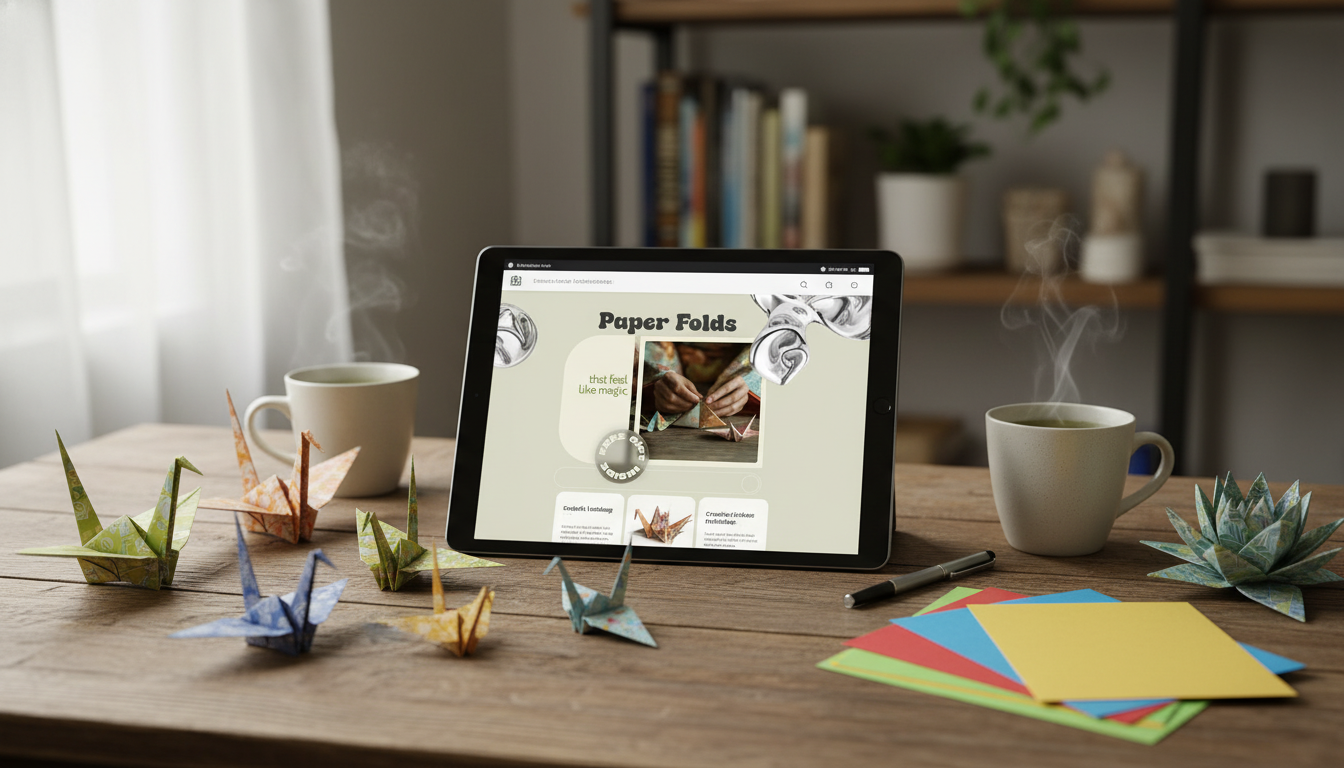
A single square of paper can turn into something surprisingly alive—especially when folding is treated as a calming, step-by-step practice rather than a performance. Mindful origami is less about “being artistic” and more about building a steady rhythm: align, crease, pause, and notice what changed. With a few foundational folds and a simple routine, beginners often discover that the “magic” is real—because it’s repeatable.
Why folding feels calming (and why beginners often love it)
Origami works well as a gentle reset because it asks for just enough focus to quiet mental noise—without demanding perfection. Small, repeatable actions shift attention from racing thoughts to the present moment, and the paper gives immediate feedback. In just a few minutes you can see progress: a crisp triangle, a clean base, a recognizable form. That visible change tends to build a soft sense of capability.
It also helps that the setup is simple and low-cost: a few sheets of paper and a clear surface. The mindful rhythm—crease, align, press, pause—creates built-in “checkpoints” where you can breathe, relax your shoulders, and continue.
What origami is (and what it isn’t)
Origami is the art of folding paper into forms—often starting from a single square sheet. Traditionally, it avoids cutting and glue, though modern paper folding includes variations and mixed-media approaches. If you’d like a quick, trustworthy definition and background, see Encyclopaedia Britannica’s origami overview.
Origami isn’t a test of “art talent.” Beginner success comes from accuracy and patience, not drawing skills. A clean crease and careful alignment matter more than speed. Many people improve quickly simply by slowing down and checking corners before committing to a sharp press.
The five basic folds to learn first
Most beginner models (and many advanced ones) are built from a small set of core moves. Learning these folds first makes diagrams and video steps feel far less intimidating. Practice each fold on scrap paper until your hands remember the motion—then return to your “good” paper.
| Fold | What it does | Beginner tip |
|---|---|---|
| Valley fold | Creates an inward crease | Line up edges before creasing; press from center outward |
| Mountain fold | Creates an outward ridge | Pre-crease as a valley first, then reverse |
| Squash fold | Transforms a pocket into a flat shape | Open the pocket gently; flatten with fingertips, not nails |
| Inside reverse fold | Turns a point inward cleanly | Use an existing crease as a guide; go slow |
| Outside reverse fold | Turns a point outward cleanly | Pinch the tip first, then sharpen the crease |
Paper, tools, and setup that make folding easier
Your paper choice can make origami feel either effortless or unnecessarily frustrating. For most beginners, thin, crisp origami paper (often called kami) is the sweet spot: it creases cleanly without fighting you. A 6 in (15 cm) square is forgiving, while larger paper can make early attempts easier because you have more room for your fingers during reverse folds and squashes.
Fold on a hard, flat tabletop; soft surfaces (like a couch cushion or bed) blur creases and reduce accuracy. Optional tools can help, but they’re not required: a bone folder (or the edge of a clean ruler) makes sharp creases, and tweezers can help with tiny models. Most importantly, keep the body comfortable—relax your shoulders and rest your hands between steps to avoid tension.
For additional folding resources and community standards around diagrams and technique, the British Origami Society is a solid reference point.
A mindful folding routine that builds creative confidence
Confidence grows fastest when practice is consistent and low-pressure. A simple routine can turn folding into a dependable screen-free break:
- Start with a 30-second reset: unclench your jaw, loosen your shoulders, and slow your breathing.
- Pick one simple model and repeat it three times instead of chasing variety. Repetition is where calm and skill meet.
- Create a “pause point” after every major crease: check alignment, corners, and symmetry before sharpening.
- Name what improved (one thing). Examples: cleaner symmetry, sharper crease, calmer pace.
- End with a small display ritual: place the finished fold somewhere visible for a day.
If you want a structured, soothing approach built around pacing and repeatable wins, Paper Folds That Feel Like Magic – A Calming Origami for Beginners eBook Guide to Mindful Folding & Creative Confidence is designed to support consistent practice without turning it into a high-stakes project.
Common beginner mistakes (and quick fixes)
Ways to keep the “magic” going: tiny challenges and calming projects
Creative confidence isn’t loud; it’s steady. If you also want a quick way to spot when you’re slipping into harsh self-talk or performance pressure, Confidence, Not Ego – Checklist to Understand Confidence vs Ego Explained Simply pairs well with any calm skill-building habit, including origami.
A calming eBook guide to support consistent practice
When folding feels good, the next challenge is staying consistent. A guide that emphasizes mindful pacing, approachable steps, and confidence-building repetition can help turn occasional folding into a dependable routine. Paper Folds That Feel Like Magic is built for beginners who want a structured, soothing way to learn—useful for solo downtime, gentle creative routines, or a screen-free break that still feels rewarding.
FAQ
What are the 5 basic origami folds?
The five basics are the valley fold (an inward “V” crease), mountain fold (an outward ridge), squash fold (opening a pocket and flattening it), inside reverse fold (tucking a point inward along a crease), and outside reverse fold (turning a point outward). For best results, align edges before pressing and sharpen creases only after you confirm symmetry.
What is the paper folding thing called?
It’s called origami, the art of folding paper into shapes—often from a single square sheet. Traditional origami avoids cutting and glue, while modern paper folding sometimes includes variations.















Leave a comment