Natural Fabrics Fashion Checklist: Linen, Hemp, Wool
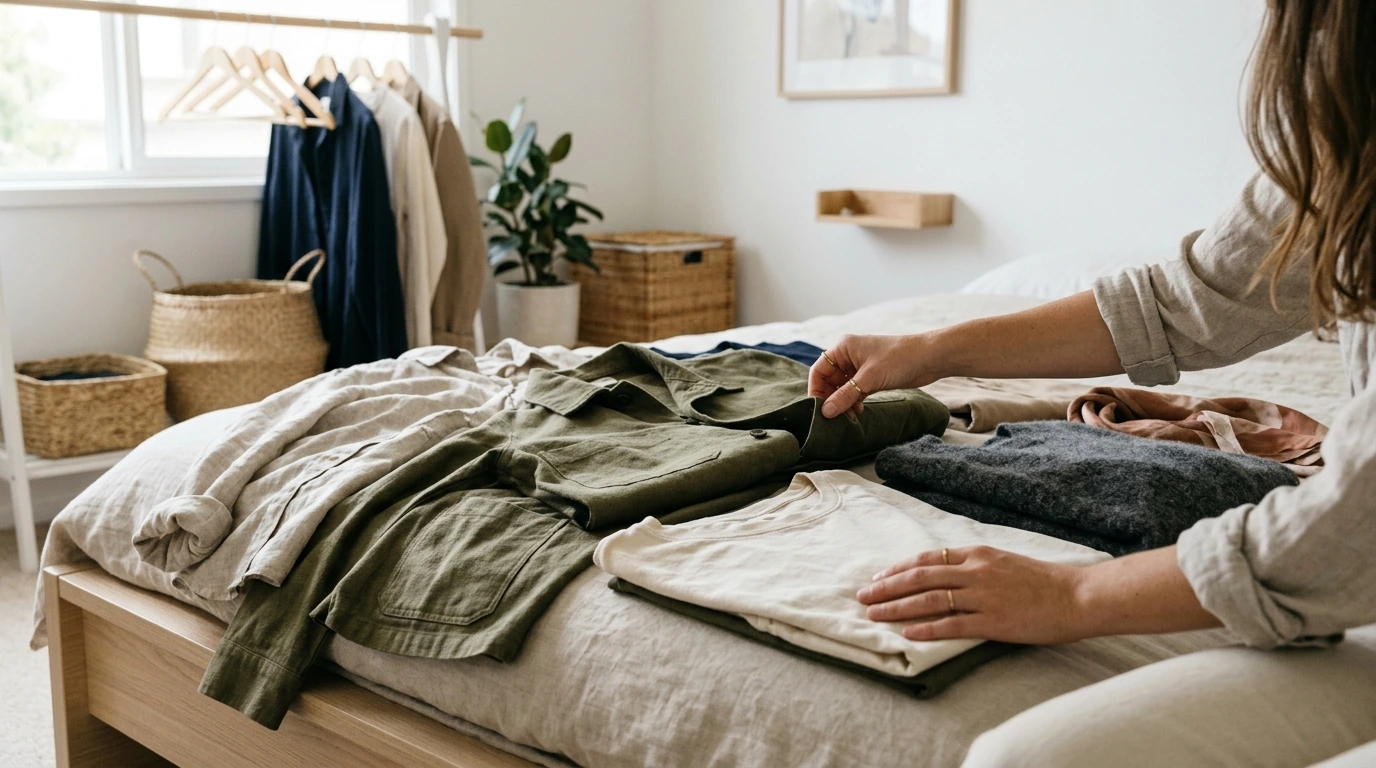
The Ultimate Natural Fabrics Fashion Checklist for Sustainable Style
Natural fabrics can make getting dressed feel simpler: fewer “what is this made of?” moments, better comfort, and a clearer path to lower-impact choices. This checklist breaks down the most common natural fibers, what to look for on labels, how to judge quality quickly, and how to care for garments so they last.
What “natural fabric” means (and what it doesn’t)
Natural fabrics are made from plant or animal sources—think cotton, linen, hemp, wool, and silk. They often feel better on skin, breathe more easily, and can age gracefully when you buy decent quality and care for it well.
That said, “natural” doesn’t automatically equal “sustainable.” Farming inputs, water use, labor practices, chemical processing, dye choices, and—most importantly—durability all change the real footprint of a garment. A cheap natural tee that twists, pills, and gets replaced quickly can be more wasteful than a better-made option.
Blends can be practical, especially when they improve fit or longevity. But the higher the synthetic percentage, the more you typically lose breathability and the harder it becomes to recycle at end of life.
Also note: regenerated cellulose fibers (often labeled viscose or rayon) start from plants, but they’re heavily processed. They can still be useful, but it helps to treat them as their own category when shopping rather than lumping them in with linen or cotton.
Quick checklist: read the label in 30 seconds
When time is short, a consistent label routine keeps purchases intentional. Start with fiber content, then confirm comfort and care, and finally look for transparency cues that suggest more responsible production.
Fast label checks and what they usually signal
| What you see | What it can mean | Best use-case |
|---|---|---|
| 100% linen | Highly breathable, wrinkles easily, softens over time | Warm weather shirts, trousers, dresses |
| 100% organic cotton (GOTS) | Lower pesticide use standards + processing requirements | Tees, underwear, basics |
| Hemp or hemp/cotton | Strong, breathable, often lower-input crop | Workwear, denim alternatives, summer layers |
| 100% wool (RWS) | Warm, resilient, can be odor-resistant | Sweaters, outer layers, tailored pieces |
| Silk | Luxurious drape; delicate; may require gentler care | Blouses, slip dresses, scarves |
| Cotton/poly blend | Often cheaper and wrinkle-resistant; harder to recycle; can trap heat | Occasional travel pieces if durability needed |
Extra-fast quality tells: check seams (tight, even stitches), hold the fabric up to light (consistent weave and opacity), and do a gentle “scrunch test” (does it bounce back or stay crushed?). If the hand-feel is overly stiff or plasticky, it may have heavy finishing that can reduce comfort over time.
For clearer standards, look for certifications like GOTS (organic textiles), OEKO‑TEX® Standard 100 (tested for harmful substances), and Responsible Wool Standard (RWS) (animal welfare and land management criteria).
Natural fabric mini-guide: strengths, tradeoffs, and best buys
Linen
Best for heat and humidity. A tighter, even weave usually looks cleaner and lasts longer; more slubs and texture can look relaxed and beachy. Expect wrinkles—linen’s charm is that lived-in look, and it softens significantly after repeated wear.
Hemp
Exceptionally strong and naturally breathable. It can start out slightly coarse, but frequent wear and washing often make it noticeably softer. Hemp shines in high-rotation pieces: chore jackets, easy pants, button-ups, and sturdy summer layers.
Cotton (organic preferred)
The most versatile natural staple, but quality varies widely. Look for thicker jersey in tees, denser weaves in shirts, and reinforced stitching at shoulders and side seams. Organic cotton can reduce certain farming impacts, but construction is still what makes a piece last.
Wool
Warm, resilient, and naturally odor-resistant, making it ideal for re-wearing between washes. For sweaters, assess knit density and check high-friction zones (underarms, sides) for early pilling. If you’re sensitive to itch, look for softer merino or well-finished linings.
Silk
Silk drapes beautifully and can be surprisingly breathable. Prioritize solid seam finishing and sturdier weaves if you’ll wear it often; ultra-sheer or snag-prone weaves tend to be special-occasion pieces unless you’re comfortable babying them.
Natural blends
Build a small, flexible wardrobe with natural fabrics
To make the process easier, keep a simple shopping and closet audit tool on hand: The Ultimate Natural Fabrics Fashion Checklist – Your Go-To Guide for Sustainable Style.
Care checklist: make natural fabrics last longer
A printable checklist to keep in your closet or on your phone
Recommended guide: Natural Fabrics Fashion Checklist
If you want a ready-to-use format for label checks, wardrobe sorting, and outfit planning around breathable, long-lasting textiles, start here: The Ultimate Natural Fabrics Fashion Checklist – Your Go-To Guide for Sustainable Style (digital download).
For keeping your closet edits and outfit repeats organized day-to-day, pair it with AI Tools to Organize Your Life Guide – Ultimate Daily Planner Companion. And if you’re building a higher-quality wardrobe over time, a simple savings plan can help reduce impulse buys: “Save Like a Pro!” – The Ultimate Monthly Savings Checklist.
FAQ
What are the most sustainable natural fabrics to start with?
Linen and hemp are strong, breathable choices that can hold up well with frequent wear, while organic cotton is a practical starting point for basics. For cold weather, responsibly sourced wool can be an excellent long-lasting option, though overall impact still depends on farming and processing.
Is 100% natural fabric always better than a blend?
Not always. 100% natural fabrics are often more breathable and simpler to recycle in theory, but small blends can improve durability, stretch, or shape retention. When possible, keep synthetics minimal so comfort and end-of-life options stay stronger.
How can natural fabrics be kept from shrinking or losing shape?
Use cold washes, gentle cycles, and skip high-heat drying; reshape knits while damp and let them dry flat. Follow fiber-specific care—fold wool sweaters, use delicate detergent for wool and silk, and avoid aggressive agitation that stretches fibers.














Leave a comment