Rosacea-Prone Skin Routine: Triggers, Tips & Tools
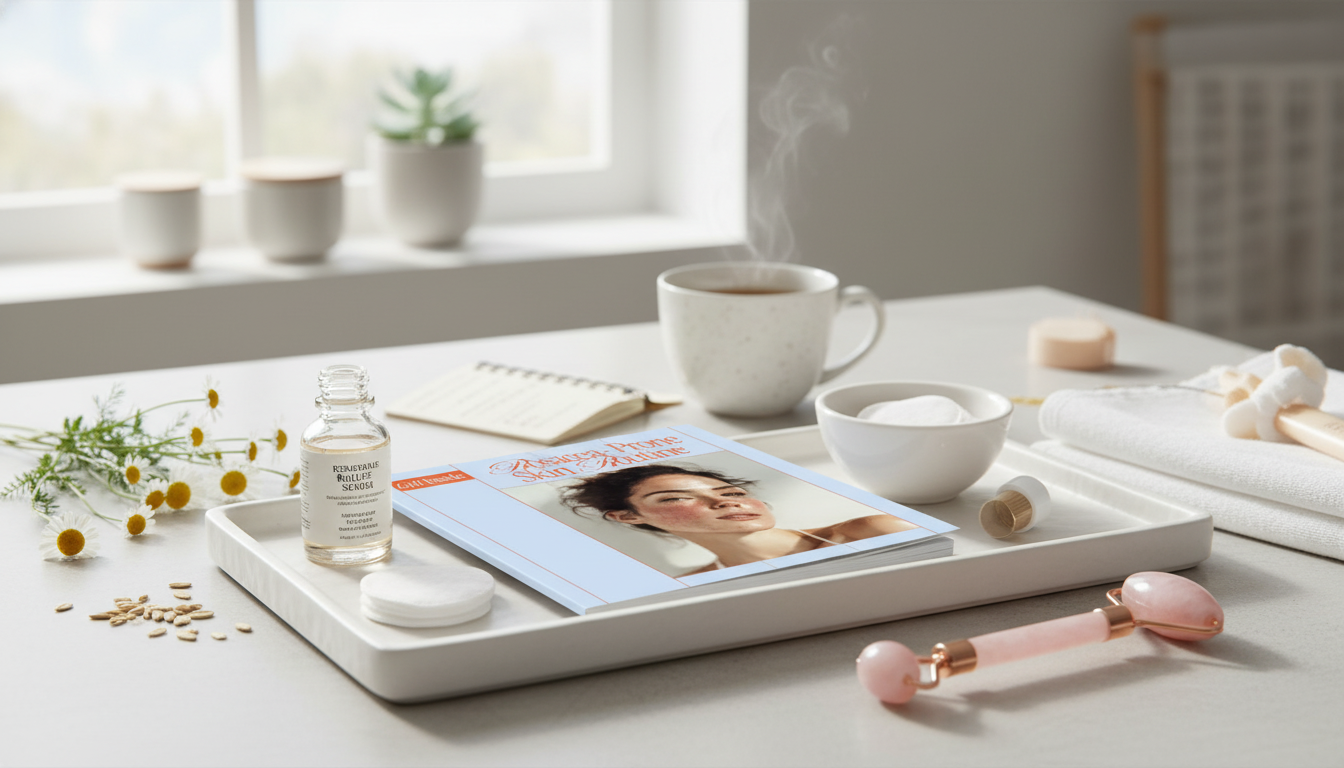
Skincare for Rosacea-Prone Skin: Routine, Triggers, Lifestyle Habits, and Smart Tools
Rosacea-prone skin can feel like it “overreacts” to everyday life—heat, friction, harsh formulas, and stress may trigger flushing, visible redness, bumps, or stinging. A calmer complexion is usually built on a consistent, low-irritation routine, a clear understanding of personal triggers, and simple tracking so patterns become easier to spot and avoid.
Rosacea-prone skin basics: what’s happening and why it feels so reactive
Rosacea is often tied to a sensitive skin barrier and an inflammatory response that can flare with internal and external stressors. Common signs include persistent redness, easy flushing, visible blood vessels, papules/pustules, dryness, and burning or stinging sensations.
A frequent loop looks like this: an impaired barrier leads to increased water loss and sting, which fuels inflammation, which then makes skin even more reactive. Heat, spicy food, alcohol, friction, strong actives, fragranced products, and abrupt weather shifts are typical aggravators. Progress can be gradual—fewer flares and less intense redness are meaningful wins.
For self-care basics and symptom guidance, these references are helpful: American Academy of Dermatology Association, National Rosacea Society, and Mayo Clinic.
Non-negotiables: a gentle foundation routine (first 2–4 weeks)
The first month is about consistency and removing avoidable irritation. Keep the routine short and repeatable.
- Cleanse: Choose a mild, fragrance-free cleanser. Use lukewarm water, avoid scrubbing, and pat dry with a soft towel.
- Moisturize: Look for barrier-supporting ingredients like ceramides, glycerin, hyaluronic acid, and squalane—ideally in a minimal formula.
- Protect: Use broad-spectrum SPF 30+ daily. Mineral filters (zinc oxide, titanium dioxide) are often better tolerated.
- Change slowly: Add or swap one product at a time and patch test on the jaw/neck for several days.
Simple starter routine
| Time | Step | What to look for | What to avoid |
|---|---|---|---|
| Morning | Cleanse (optional) | Very mild cleanser or lukewarm rinse | Foaming strips, exfoliating beads |
| Morning | Moisturize | Ceramides, glycerin, squalane; fragrance-free | Essential oils, heavy fragrance |
| Morning | Sunscreen | Mineral SPF 30+, tinted options for redness | High-alcohol formulas if they sting |
| Night | Cleanse | Gentle cleanser; remove sunscreen softly | Rubbing with wipes, harsh makeup removers |
| Night | Moisturize | Barrier repair; simple formula | Multiple new actives at once |
Ingredients guide: what often helps vs what commonly irritates
Ingredient tolerance is personal, but rosacea-prone skin tends to do best with supportive, low-sensation formulas.
- Often helpful (supportive, not guaranteed): low-percentage niacinamide, azelaic acid (start low/slow), ceramides, allantoin, panthenol, colloidal oatmeal, centella, green tea derivatives, and (for some) sulfur.
- Often irritating (especially during flares): high-strength glycolic/lactic acids, frequent strong retinoids, harsh physical scrubs, high-alcohol toners, fragranced products, menthol/camphor, and strong L-ascorbic acid vitamin C if it stings.
- Start low and buffer: apply moisturizer first, then a small amount of an active on top; increase frequency slowly (for example, 1–2 nights per week).
- Watch for hidden triggers: fragranced cleansers, essential oils, and heavily scented hair products that rinse onto the face.
A practical AM/PM routine you can adapt (calm days vs reactive days)
Calm-day AM
Gentle cleanse (or just rinse) → moisturizer → mineral sunscreen. For cosmetic redness support, a tinted mineral SPF or a green-toned corrector can reduce the “pink cast” without needing heavy layers.
Calm-day PM
Gentle cleanse → targeted active only if tolerated → moisturizer. If certain areas get scaly, an occlusive layer (like a tiny amount of petrolatum on dry patches) can help seal in hydration without coating the entire face.
Reactive-day AM/PM
Cleanse minimally → bland moisturizer → sunscreen (AM). Skip actives until stinging and redness settle; the goal is to stop the sensitivity cycle rather than “push through.”
Makeup removal tip
Use fragrance-free, non-comedogenic makeup where possible, and remove with a gentle cleanser rather than aggressive wipes or scrubbing that creates heat and friction.
Trigger mapping: food, weather, skincare, and daily habits
Trigger mapping works best when it’s narrow and practical. Start with a short list of high-yield triggers: spicy foods, hot beverages, alcohol (especially red wine), extreme temperature changes, saunas/hot yoga, vigorous exercise without cooling, and emotional stress.
Common triggers and practical swaps
| Trigger type | Example trigger | Lower-impact alternative | Tracking note |
|---|---|---|---|
| Heat | Hot showers/saunas | Lukewarm showers; cool rinse at end | Note duration + peak redness time |
| Diet | Spicy meals | Milder seasoning; test small portions | Record dose and next-day bumps |
| Drink | Hot coffee/tea | Warm or iced versions | Track flushing within 30–60 minutes |
| Lifestyle | High stress | Breathwork, short walks, sleep routine | Log stress level (1–5) |
| Skincare | Strong acids/retinoids | Pause; reintroduce slowly, buffered | Add only 1 change per 2 weeks |
Flare-up plan: what to do in the first 24–72 hours
Smart tools: tracking, patch testing, and routine automation
Recommended digital guides to support your routine
- Skincare for Rosacea-Prone Skin Guide | Complete Skincare for Rosacea Prone Skin Routine, Triggers, Lifestyle Tips & Smart Tools (digital download) — a structured routine and tracking approach to help reduce trial-and-error.
- Confidence, Not Ego – Checklist to Understand Confidence vs Ego Explained Simply | Daily Builders, Ego Traps, AI Tips & Quick Test — useful if stress is a reliable flare trigger and you want simple daily habits to stay more steady.
When to seek professional help
FAQ
Is azelaic acid good for rosacea-prone skin?
It’s often well-tolerated and commonly recommended, but start slowly. Try a lower strength or fewer nights per week, buffer with moisturizer, and stop if burning intensifies rather than improves over time.
Should rosacea-prone skin avoid retinoids and exfoliating acids?
Not always, but many people need a slower approach. Pause during flares, then reintroduce with low strength and low frequency (and consider gentler formats) so you can judge tolerance without overwhelming the barrier.
What sunscreen is best for rosacea-prone skin?
Mineral, broad-spectrum SPF 30+ is often better tolerated, and tinted mineral options can visually soften redness. Avoid formulas that sting, especially those with heavy fragrance or high alcohol content.
















Leave a comment