Dance Styles Guide: Find Your Fit From Beginner to Pro
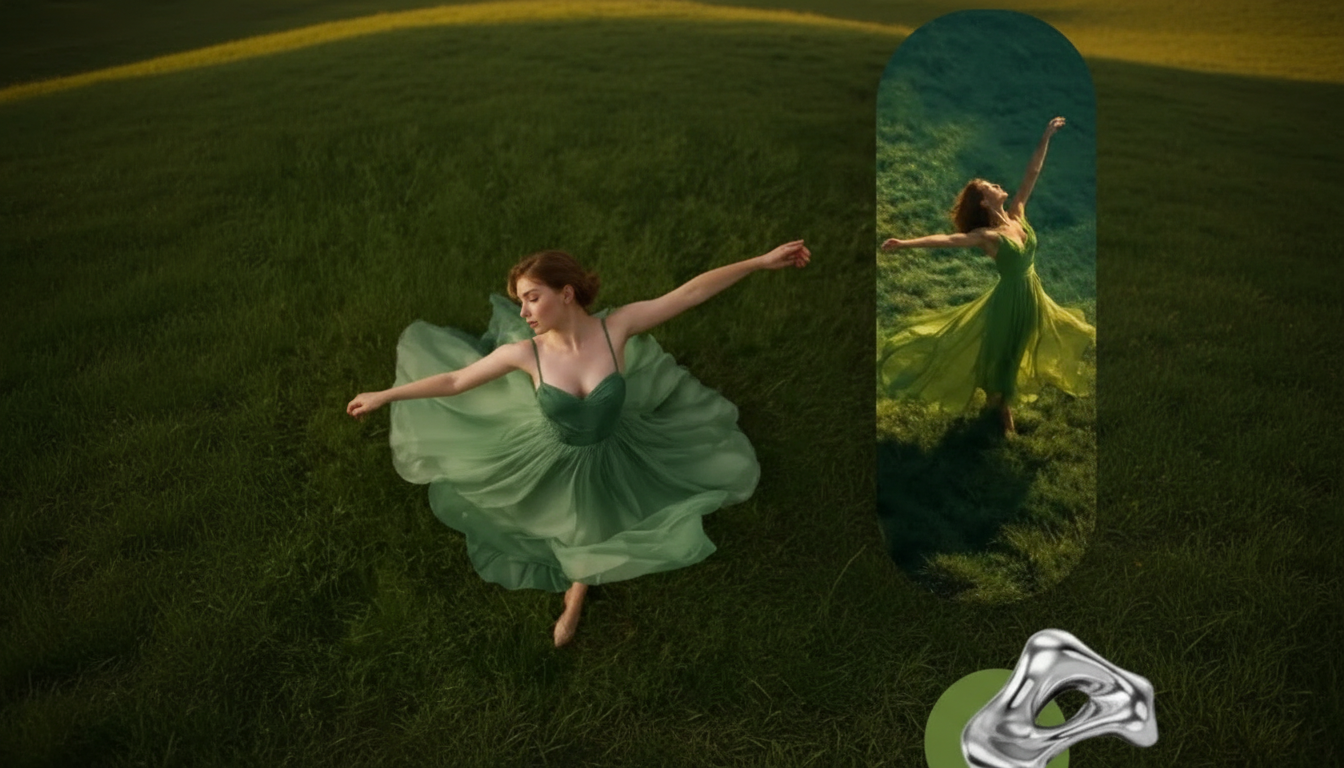
Exploring Dance Styles for Every Passion: A Practical Guide from First Class to Advanced Inspiration
Choosing a dance style is easier when it matches what drives someone—music taste, social energy, athletic goals, creativity, or cultural curiosity. The right class should feel challenging in a satisfying way, not confusing in a discouraging way. Below is a practical map of popular dance options, what to expect as levels progress, and a simple way to “test-drive” styles so beginners feel confident and experienced dancers find fresh inspiration.
Start with the feeling you want from dance
Dance is both movement and experience. Before comparing schedules or outfits, get clear on the outcome you want when you walk out of class.
- For connection and community: partner dances and social styles like salsa, swing, and bachata often come with built-in social nights and a welcoming scene.
- For strength and technique: ballet-based training, contemporary, and jazz technique develop alignment, control, and clean fundamentals that carry into almost everything else.
- For rhythm and musicality: hip-hop foundations, house, Afrobeat/Amapiano, and tap put timing front and center—great if music is your main motivation.
- For expression and storytelling: contemporary, lyrical, modern, and fusion workshops often use dynamics, texture, and intention to help movement feel personal.
- For adrenaline and tricks: breaking, heels (done safely), and acro-inspired conditioning can scratch the “challenge” itch—best with patient progressions and solid warm-ups.
A quick map of popular dance styles (and what they’re like in class)
Studios may label classes differently, but these snapshots help set expectations for pacing, focus, and the kind of “brain work” involved.
- Ballet: posture, alignment, foundational technique; typically a slower pace with precision and repetition.
- Contemporary/Modern: fluidity, floorwork, dynamics; expressive and athletic, often emphasizing weight shifts and momentum.
- Jazz: sharp lines, turns, performance quality; blends technical drills with stylized combos.
- Hip-hop (foundations): grooves, bounce, musicality; frequently taught through short sequences that build confidence quickly.
- Breaking: footwork, freezes, and power prep; conditioning matters, and progress feels best when measured in small wins.
- Tap: rhythmic clarity and coordination; progress is measurable, which can be motivating when you like concrete feedback.
- Salsa/Bachata: timing, partner connection, social etiquette; a strong pick for making friends while learning.
- Swing/Lindy Hop: playful energy, fast footwork, strong rhythm; social dances reinforce learning between classes.
- Ballroom: frame, lead/follow, clean patterns; structured progression and clear technique goals.
Dance style matchmaker: passion → style → first-class focus
| Passion | Styles to try | First-class focus | Common next step |
|---|---|---|---|
| High energy + beats | Hip-hop, House, Afrobeat | Grooves and timing | Beginner foundations series |
| Grace + technique | Ballet, Jazz technique | Alignment and basic positions | Intro turns & leaps |
| Expression + artistry | Contemporary, Modern | Weight shifts and floorwork basics | Improvisation workshop |
| Community + social fun | Salsa, Bachata, Swing | Basic step + partner connection | Social dance night |
| Rhythm + detail | Tap | Sound clarity and simple patterns | Faster combinations |
| Athletic challenge | Breaking | Footwork drills + conditioning | Freeze progressions |
Beginner to advanced: what changes as skills grow
Level labels vary, but the underlying shift is consistent: less time learning “what” the move is and more time refining “how” it reads and feels.
- Beginner: clear vocabulary, slower tempo, frequent resets, and a big focus on coordination, comfort, and safe movement patterns.
- Improver/Intermediate: longer combinations, faster transitions, more musical interpretation, and higher stamina demands (you’ll notice fewer pauses).
- Advanced: performance quality, texture, speed changes, complex partnering or tricks, and stronger expectations around injury prevention and self-management.
- Reality check: progress is rarely linear; plateaus are normal and often signal it’s time for a technique upgrade (or simply more reps).
If you enjoy understanding the “why” behind movement, reputable dance organizations and training institutions can offer helpful context on dance as an art form and discipline, such as Encyclopaedia Britannica’s overview of dance and resources from the Royal Academy of Dance.
How to sample a new style without overwhelm
A single class can be misleading (different teachers, different vibes, different difficulty). A tiny experiment makes your decision clearer.
- Try a 3-class experiment: same level, same style, same studio when possible—this controls for variables and shows true fit.
- Use a simple scorecard: after each class, rate enjoyment (1–10), confusion (1–10), and body feel next day (1–10).
- Ask two questions before you go: “Is this truly beginner-friendly?” and “Do I need prior experience or special shoes?”
- Choose one technique goal per month: turns, rhythm, flexibility, partnering, or freestyle—then pick classes that support that goal.
- If anxiety is a barrier: start with “foundations” or “intro” labels, or workshops that move slower with more explanation.
Comfort, confidence, and class etiquette that helps everyone
For a broader view of how dance functions in communities and performance ecosystems, Dance/USA is a helpful starting point for industry and participation context.
Using an ebook guide to build a personal dance path
Recommended digital picks for skill-building and motivation
- Exploring Dance Styles for Every Passion | Ebook Guide to Dance Class Styles to Explore | Beginner to Advanced Dance Inspiration (Digital Ebook): helpful for choosing a style, understanding class formats, and planning progress from first class through advanced inspiration.
- Confidence, Not Ego – Checklist to Understand Confidence vs Ego Explained Simply | Daily Builders, Ego Traps, AI Tips & Quick Test (Digital Checklist): useful for staying consistent when learning feels awkward early on, handling nerves, and staying focused on growth rather than perfection.
FAQ
What are the top 10 dance styles?
Ten widely taught styles include ballet, contemporary, modern, jazz, hip-hop, tap, breaking, salsa, bachata, and swing/lindy hop. “Top” varies by region, studio offerings, and whether the local scene is more social, competitive, or performance-focused.
What are the top 10 most popular dance styles?
A popularity-leaning mix often includes hip-hop, contemporary, jazz, ballet, salsa, bachata, ballroom, swing/lindy hop, tap, and breaking. Social media trends, competitions, and local community events can shift which styles are most popular in a given area.













Leave a comment