Soft Earth Tone Outfits: Easy Formulas & Capsule Guide
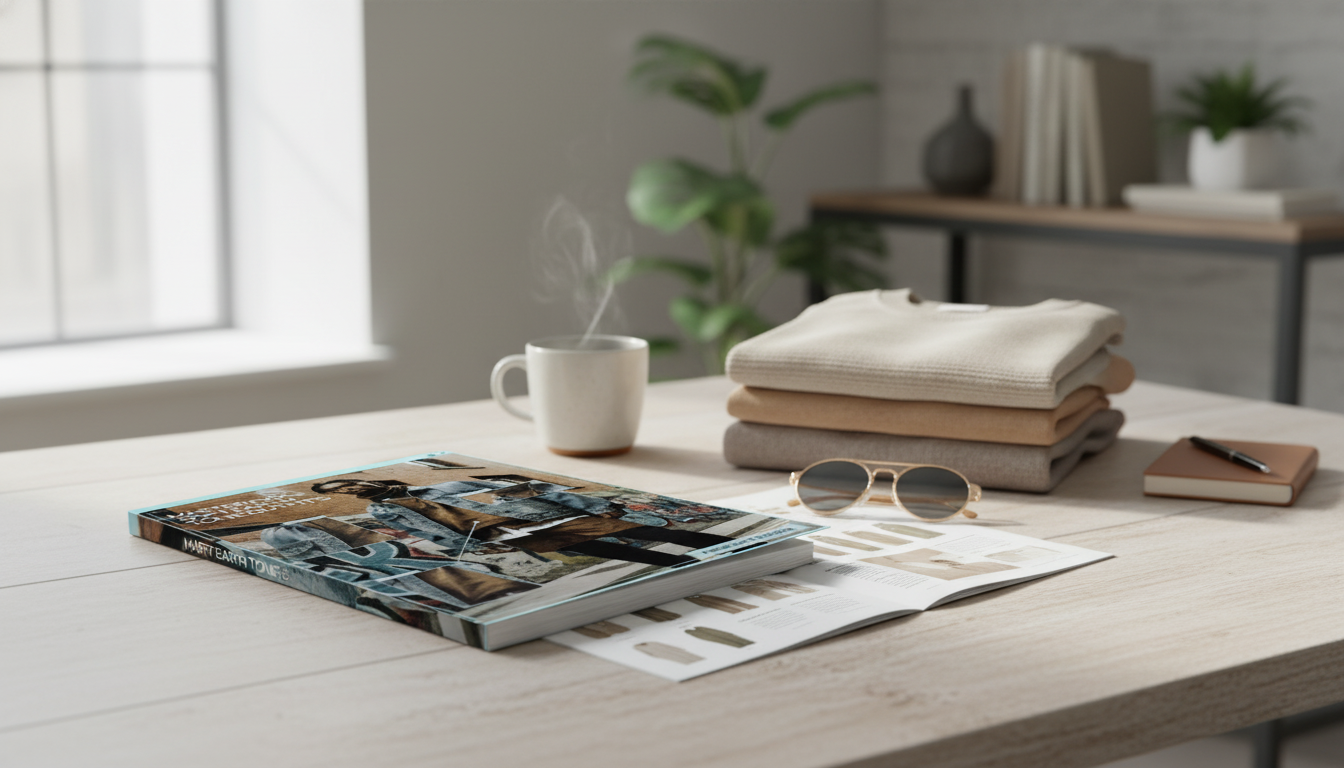
Soft earth tones make getting dressed easier: the palette is calm, flattering, and naturally mix-and-match. This guide breaks down the core colors, how to combine them without looking washed out, and how to build repeatable outfits for workdays, weekends, and travel. Expect practical formulas, texture and accessory tips, and a simple plan for turning a few neutral pieces into a wardrobe that always looks intentional. For more guidance, see We Plow God’s Fields – jstor.
What counts as “soft earth tones” (and why they look expensive)
“Soft earth tones” are warm neutrals and muted natural shades—think oatmeal, sand, camel, taupe, mushroom, terracotta, clay, olive, sage, cocoa, and warm gray. They’re grounded, slightly dusty (not neon), and they sit comfortably next to each other without fighting for attention. For further reading, see [PDF] Reading the Country: 30 Years On – Loc.
The “soft” part matters: lower saturation, gentler contrast, and fewer competing undertones. Instead of sharp black-and-white or vivid jewel tones, you get a blended spectrum that feels cohesive. That cohesion is why the look reads elevated: there’s less visual noise, the outfit feels curated, and fabrics become the star (a suede bag or crisp poplin shirt looks richer when the color story is quiet).
These shades shine in everyday outfits, capsule wardrobes, travel packing, office-casual environments, and relaxed occasion wear where you want to look pulled together without feeling overdressed.
Undertones made simple: warm, neutral-warm, and olive-friendly choices
If undertones feel confusing, use quick cues: warm reads golden; cool reads pink/blue; neutral is balanced; olive has a green-gray cast. Soft earth tone wardrobes are typically warm-to-neutral, but olive-friendly shades can be surprisingly versatile.
- Pick a base neutral that flatters: warm beige/camel for warm undertones; mushroom/taupe for neutral; cocoa or olive-leaning taupe for olive undertones.
- Keep your best shade near your face: tops, collars, scarves, and outerwear lapels are the “frame,” so choose your most flattering neutral there.
- If a shade feels dull: adjust one step—add contrast (darker belt/shoes), add texture (knit/linen), or add a brighter earthy accessory (rust or deep green).
Soft earth tones: quick pairing map
| Base Color | Easy Pair | Stronger Accent | Best Textures |
|---|---|---|---|
| Oatmeal | Warm white | Rust/terracotta | Knitwear, boucle, linen |
| Camel | Denim blue | Chocolate brown | Wool coat, suede |
| Taupe | Cream | Olive | Silk/satin, cashmere |
| Mushroom | Charcoal | Burgundy-brown | Ribbed knits, ponte |
| Sage | Stone | Gold | Poplin, cotton twill |
| Olive | Ecru | Burnt orange | Canvas, leather |
| Terracotta | Sand | Dark brown | Linen, brushed cotton |
The 3 outfit formulas that never fail
Formula 1 — Light/Medium/Dark
Pick one light neutral (warm white/ecru), one mid-tone earth shade (camel/taupe/olive), and one dark anchor (shoe, bag, or belt). That dark piece adds definition so the outfit doesn’t blur together.
Formula 2 — Monochrome + texture
Stay within one family—beige-to-camel or taupe-to-brown—and build interest by changing textures: rib-knit top + denim + suede shoes, or satin skirt + chunky cardigan. The color stays calm; the fabrics do the talking.
Formula 3 — Earth neutral + denim
Use denim (blue or ecru) as your reliable “everyday base.” Add a muted top and a neutral outer layer, then finish with a warm accessory (cognac belt, antique-gold jewelry). It’s an easy uniform that still looks styled.
Proportion reminder: balance volume—wide-leg pants pair best with a fitted knit; slim pants look modern with an oversized shirt or relaxed jacket.
Outfit combos for everyday life (work, weekend, travel)
- Workday polished: taupe trousers + warm white blouse + camel blazer + dark brown loafers; add gold hoops to warm everything up.
- Smart casual: olive midi skirt + oatmeal knit + tan belt + neutral sneakers; swap sneakers for heeled boots when you want more structure.
- Weekend relaxed: ecru jeans + sage tee + sand overshirt + suede clogs; add a canvas tote for an earthy, textured finish.
- Travel uniform: stretchy chocolate pants + cream long-sleeve + camel cardigan + white sneakers; add a scarf so the same base can look different day to day.
- Warm-weather set: linen sand shorts + terracotta tank + woven belt + leather slides; top with a light button-down as a sun layer.
- Cold-weather set: warm gray knit + mushroom coat + dark denim + cocoa boots; add a deeper brown beanie for contrast near the face.
Textures and fabrics that make neutrals look intentional
Accessories and shoes: the easiest way to add contrast
A small capsule that creates dozens of soft earth tone outfits
Common mistakes (and fast fixes)
Style guide eBook: a faster way to build outfits from the palette
If you want a more plug-and-play approach, Mastering Soft Earth Tone Outfits – A Complete Style Guide eBook is built around consistent outfit formulas, confident color pairing, and a cohesive closet that stays true to soft earth tones.
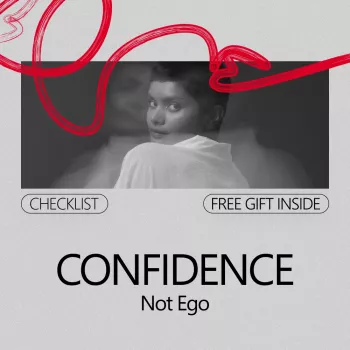
For an extra mindset boost while refining your personal style, Confidence, Not Ego – Checklist to Understand Confidence vs Ego is a quick, practical reset for showing up with ease—whether you’re getting dressed for a meeting or building a wardrobe that feels like you.
FAQ
How do soft earth tones differ from beige-only outfits?
Soft earth tones go beyond beige to include muted greens, clays, cocoa, and warm grays. The variety comes from undertone shifts and texture changes, so outfits feel layered and intentional instead of one-note.
What colors go best with olive and sage without looking too green?
Warm white, stone, taupe, camel, and chocolate balance olive and sage beautifully. Keep the rest of the outfit muted and let green act as the accent, then add denim or cognac accessories for warmth.
How can a neutral outfit avoid looking flat on camera?
Use value contrast (light/medium/dark), add at least one structured piece, and create texture contrast (knit with denim, suede with poplin). A deeper-toned shoe, belt, or bag adds definition instantly.










Leave a comment