Budget Jewelry That Looks High-End: Luxe Picks & Tips
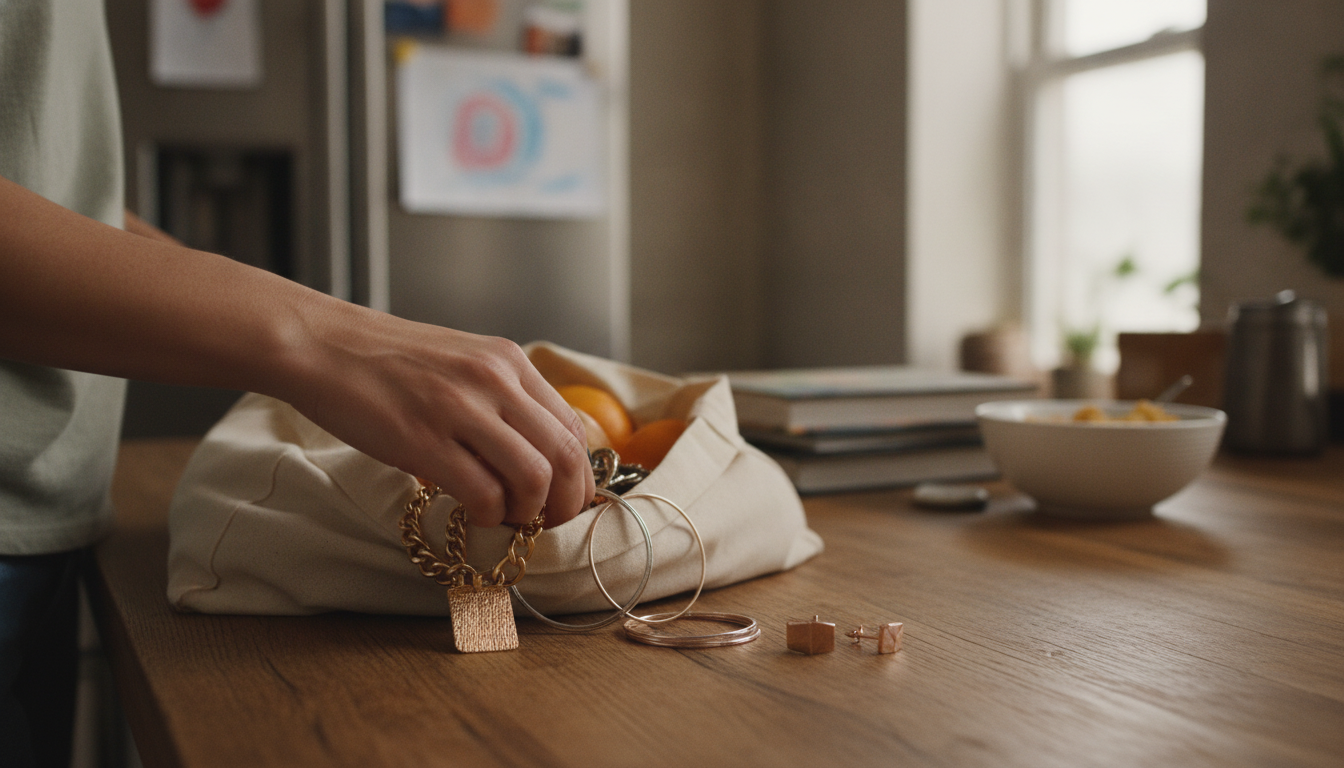
How can I choose budget-friendly jewelry that looks high-end?
High-end-looking jewelry isn’t about chasing logos—it’s about choosing pieces with the right materials, finish, and proportions. With a few smart checks, you can build a polished jewelry wardrobe that reads “luxe” without the price tag.
Prioritize metal quality and finish
Look for jewelry labeled stainless steel, sterling silver (925), or vermeil (gold over sterling silver). These options tend to hold up better than mystery alloys. For gold tones, choose 14k or 18k gold vermeil or thick gold plating (often listed in microns) for a richer color and less wear over time. A smooth, even finish—no rough seams or patchy color—is a strong giveaway of quality.
Choose “quiet luxury” shapes
Sleek silhouettes often look more expensive than overly detailed designs. Think: medium-width herringbone chains, rounded hoop earrings, simple signet rings, and classic tennis-style bracelets. Clean lines, balanced proportions, and minimal embellishment photograph well and look intentional, even at lower price points.
Check weight, closures, and details
Heft can signal durability. Lightweight isn’t always bad, but ultra-flimsy chains and hollow-feeling earrings can look cheap quickly. Inspect clasps (lobster clasps usually feel sturdier than spring rings), earring posts (straight, not bendy), and stone settings (prongs should be even and secure). If a piece twists, snags, or feels sharp at edges, skip it.
Pick convincing stones (or skip stones entirely)
If you want sparkle, opt for cubic zirconia with a clear, crisp cut rather than cloudy rhinestones. For an elevated look, consider solid metal pieces, pearls, or single-stone designs. Understated shine tends to read more premium than lots of tiny stones set in thin metal.
Style it like it’s expensive
Limit your metals to one tone per look, layer chains in two to three lengths, and keep statement pieces to one at a time. For more ideas on refined accessories that feel elevated, visit this guide to quiet luxury on a budget.
FAQ
What jewelry finishes hold up best for everyday wear?
Stainless steel, sterling silver, and gold vermeil typically resist tarnish and fading better than basic plated metals. For plated pieces, thicker plating and good care (keeping them dry and clean) makes a noticeable difference.












Leave a comment