70/20/10 Decorating Rule: Easy Bedroom Color Balance
What is the 70/20/10 rule in decorating?
The 70/20/10 rule is a simple way to balance a room’s colors and finishes so it feels cohesive instead of chaotic. It divides your design into three layers: 70% dominant, 20% secondary, and 10% accent. The goal isn’t strict math—it’s a practical guide for making decisions about paint, furniture, textiles, and decor.
How the 70/20/10 rule works
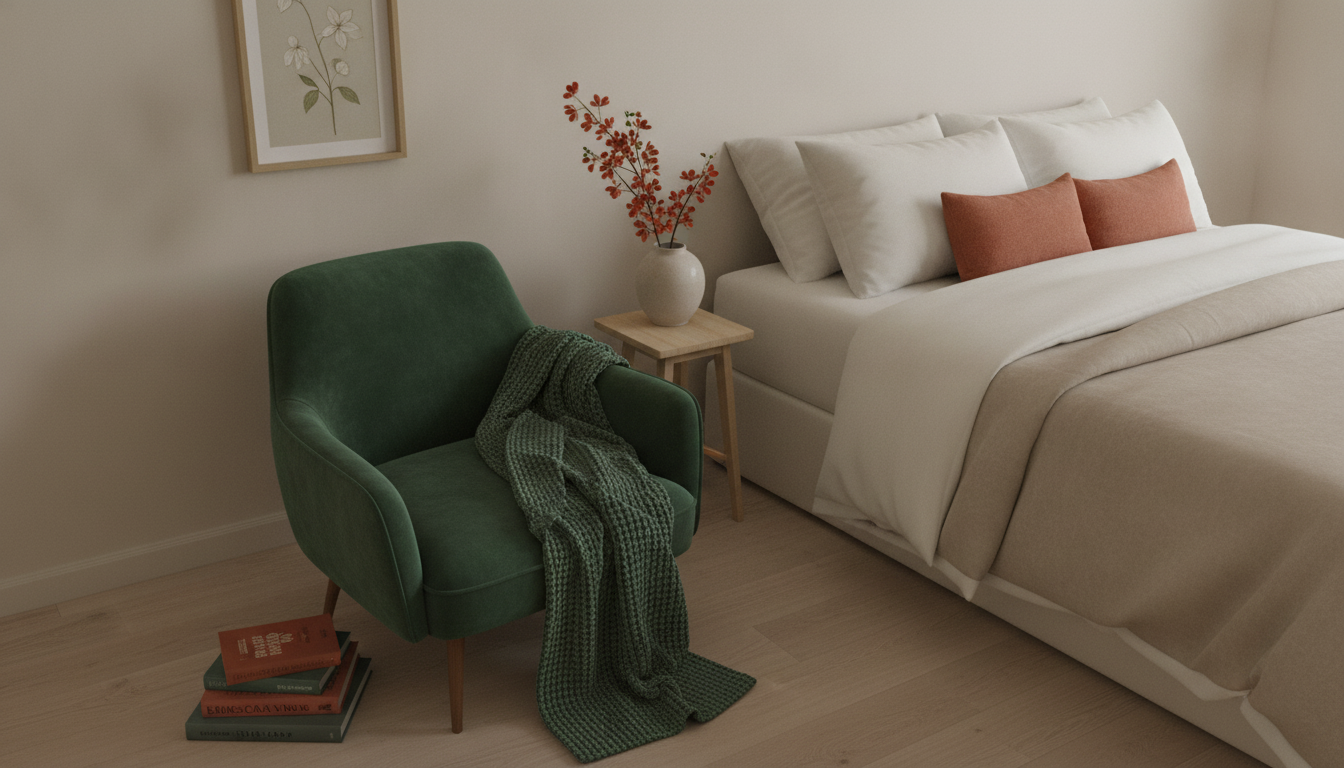
70% (dominant): This is the foundation of the space—typically wall color, large rugs, major furniture pieces, and the overall “background” tone. In a bedroom, the 70% might be warm white walls, a neutral area rug, and a wood bed frame that sets the mood.
20% (secondary): This layer supports the main color and adds depth. Think curtains, bedding, upholstered seating, or an accent chair. In a bedroom, the 20% could be soft gray bedding, a woven bench, or drapery that introduces a complementary shade.
10% (accent): These are the punches of personality—pillows, art, vases, lampshades, throws, and small accessories. This is where bolder color (or metal finishes like brass) can shine without overpowering the room.
Why it’s especially helpful for bedrooms
Bedrooms benefit from calm, repeatable visual cues. Using 70/20/10 helps prevent an overly “busy” look by keeping most surfaces consistent, while still leaving room for standout touches—like a patterned lumbar pillow, a saturated artwork, or a dramatic bedside lamp.
Quick example you can copy
70%: Cream walls + light oak furniture
20%: Sage green duvet and curtains
10%: Terracotta pillows, a brass tray, and a bold print above the headboard
For a broader bedroom planning approach—layout, style choices, and finishing touches—visit this bedroom design ideas guide and planning checklist.
FAQ
How do I choose an accent color that won’t clash?
Start with what you already have and love, like a rug or artwork, and pull one bolder shade from it for the 10%. Keep the accent color repeated 2–3 times around the room so it feels intentional rather than random.












Leave a comment