Trim an Uncooperative Dog’s Nails: Calm, Safe Steps
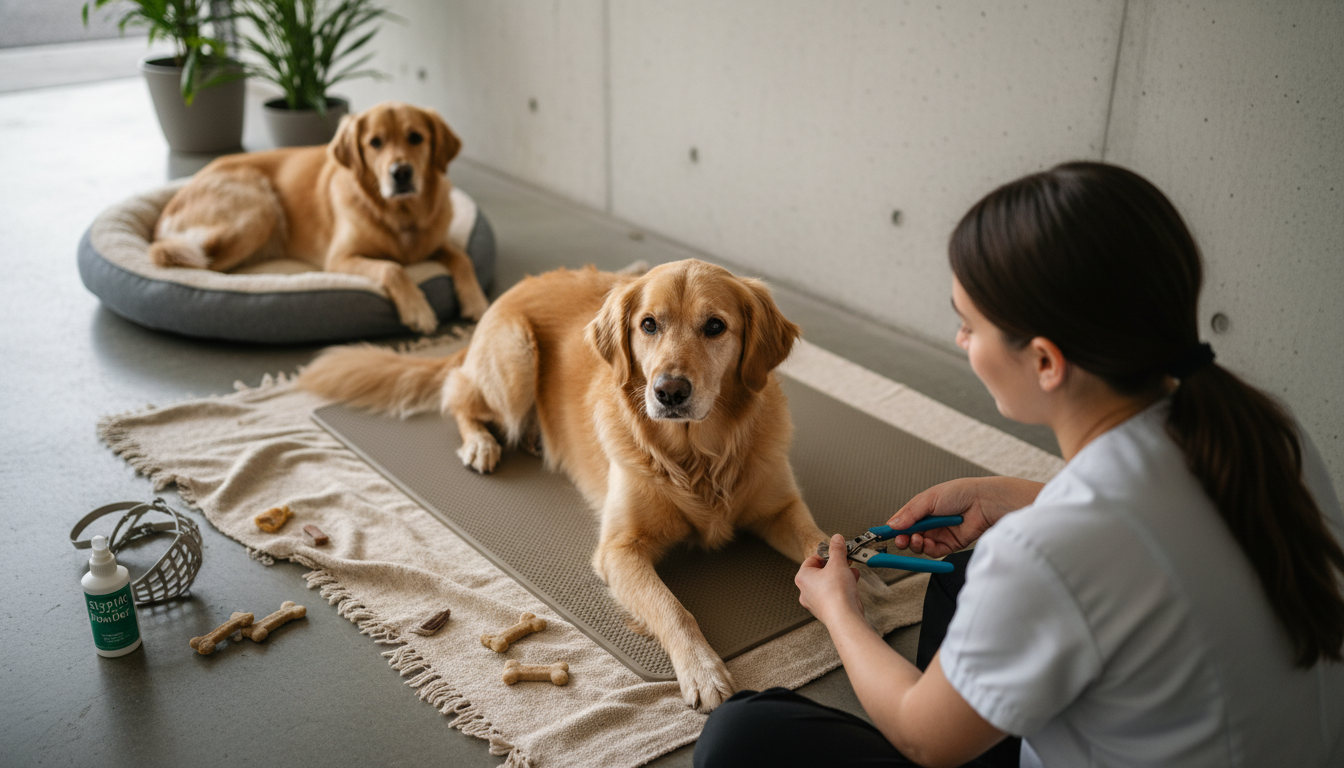
How to cut an uncooperative dog’s nails
An “uncooperative” nail trim usually means the dog is scared, uncomfortable, or has learned that struggling makes it stop. The goal is to keep everyone safe while making progress in tiny, repeatable steps—not forcing a full manicure in one sitting.
What to do before you clip
Start when your dog is already calm (after a walk or play). Set up on a non-slip surface and have high-value treats ready. Choose the right tool: sharp clippers or a grinder, plus styptic powder in case you nick the quick. If your dog panics at handling, consider a helper to feed treats while you handle paws.
For a full calm, safety-focused prep list, follow this checklist: stress-free dog nail trim checklist.
Step-by-step: trimming when your dog won’t hold still
1) Reset the emotional tone first
Touch a paw, feed a treat, then stop. Repeat until your dog expects treats when paws are handled. If your dog yanks away, reduce the “ask” (touch for half a second, then treat).
2) Use micro-sessions
A win can be one nail—or even one tiny clip. Do 30–90 seconds, then end on success. Multiple short sessions across a day beat one long wrestling match.
3) Position for control without pressure
Try having your dog stand with their side against your leg, or place small dogs on a table with a non-slip mat. Avoid pinning or flipping your dog onto their back if it increases panic.
4) Clip less than you think you should
Take very small slices off the tip. On dark nails, trim until you see a dark center dot, then stop. With a grinder, use brief taps instead of holding it in one spot to prevent heat.
5) Pair every nail with something great
One nail = a jackpot treat. Some dogs do better licking peanut butter (xylitol-free) from a spoon or lick mat while you work.
6) Know when to stop
Stop if you see heavy panting, whale-eye, growling, or repeated snapping. Safety comes first. A groomer or vet can help, and some dogs need a structured desensitization plan or medication support for trims.
FAQ
How often should you trim a dog’s nails?
Most dogs need a trim every 2–4 weeks, but it depends on how fast nails grow and how much they wear down naturally. A good guideline is trimming before nails click loudly on hard floors.















Leave a comment