Trim Black Dog Nails Safely: Find the Quick Warning Signs
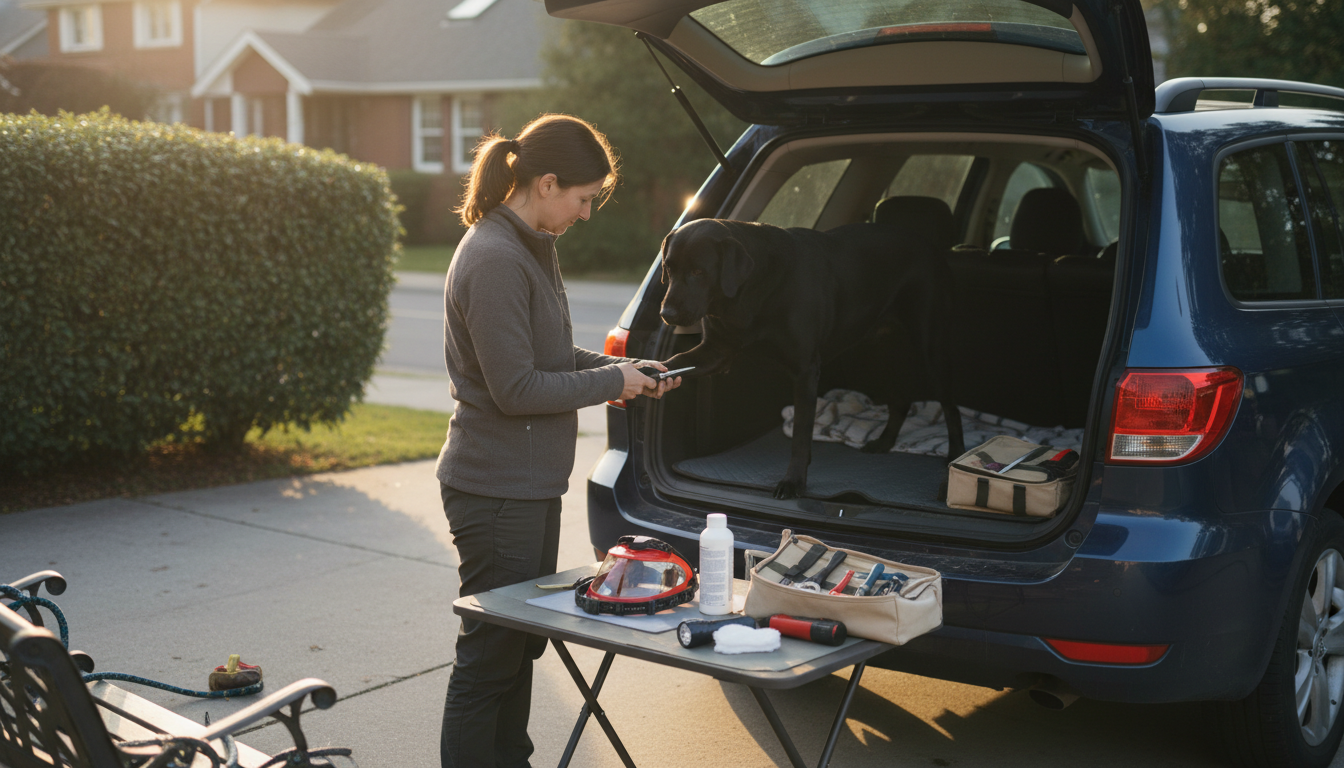
How to cut dog nails that are black
Black dog nails are tricky because the quick (the sensitive blood vessel and nerve) can’t be seen through the nail. The goal is to take off tiny amounts at a time, watch for visual cues, and stop well before you reach the quick. With the right lighting, tools, and pace, you can get a clean trim without turning it into a stressful event.
Set up for a safer trim
Use bright light (a flashlight aimed at the nail helps), a sharp nail clipper or grinder, and styptic powder (or cornstarch in a pinch) within reach. Pick a calm spot with good traction so your dog doesn’t slide. If your dog is wiggly or anxious, take breaks and reward after each nail rather than pushing through all paws at once. For a step-by-step calm routine, follow the checklist here: stress-free dog nail trim checklist.
Find the “safe zone” on black nails
Instead of looking for the quick, look at the cut surface. Trim a very thin slice off the tip, then examine the center of the nail. As you get closer to the quick, you’ll often see a darker, softer-looking center (sometimes a grayish or black “dot”/oval). That’s your warning to stop or switch to light grinding. If the nail starts to look slightly moist or you see a pink/gray core, you’re very close.
Trim technique that reduces risk
Hold the paw firmly but gently and isolate one toe. Clip from the bottom up in small slivers, angling slightly with the natural curve of the nail—avoid taking a big chunk straight across. For dogs with thick nails, a grinder can be easier: touch the nail for 1–2 seconds, lift off, and repeat to prevent heat buildup. Smooth any sharp edges so the nail doesn’t snag.
If you nick the quick
Stay calm. Apply styptic powder with steady pressure for 30–60 seconds. If bleeding continues after a few minutes, or your dog seems unusually painful, contact your veterinarian.
FAQ
How often should I trim my dog’s nails?
Most dogs do best with trims every 2–4 weeks, but fast-growing nails may need weekly touch-ups. If you hear clicking on hard floors, it’s usually time.
















Leave a comment