Stainless Steel Utensils for Toddlers: Safe or Not?
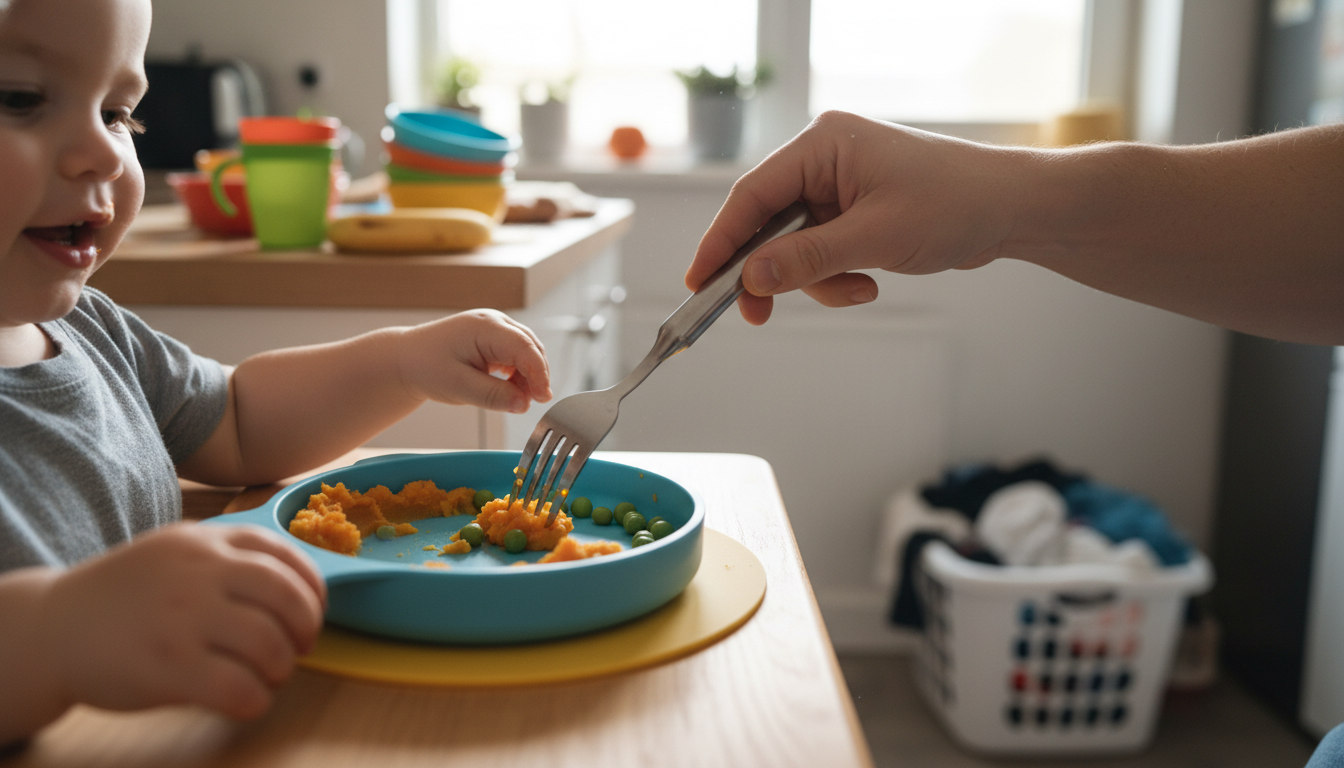
Should toddlers use stainless steel utensils?
Yes—many toddlers can use stainless steel utensils safely, as long as the size and design match their developmental stage and meals are supervised. Stainless steel is durable, doesn’t hold odors, and won’t stain like some plastics, which makes it a practical option once a child is comfortable holding a spoon or fork and bringing it to their mouth with control.
When stainless steel utensils are a good choice
Stainless steel toddler utensils can work well when your child is reliably sitting upright for meals, experimenting with self-feeding, and no longer relies solely on soft, chewable utensils. Look for toddler-specific sets with shorter handles, rounded edges, and a bowl or fork head sized for small mouths. Many families like stainless steel because it holds up to daily washing and doesn’t scratch as easily as softer materials.
Potential downsides to watch for
Not all stainless steel utensils are toddler-friendly. Adult flatware can be too long, heavy, or sharp at the edges, making it harder for small hands to control. Stainless steel is also firm—if a toddler is still in a phase of biting down on the utensil, silicone-tipped or coated options may feel gentler on gums and emerging teeth. If your child tends to wave utensils around, a heavier metal utensil can be more likely to bump lips or teeth.
How to choose safe stainless steel utensils for toddlers
-
Pick “toddler” or “training” utensils with rounded tines and smooth edges.
-
Choose short, easy-grip handles (often with a slightly thicker shape) for better control.
-
Check that the utensil is one solid piece or has secure joints that won’t loosen over time.
-
Avoid decorative coatings that can chip; plain stainless steel is usually simplest.
-
Supervise meals and replace utensils that become bent or damaged.
Want a step-by-step timeline for utensils?
For a practical guide on when to introduce spoons and forks, what types work best by age, and how to encourage self-feeding, visit this utensil introduction guide.
FAQ
What type of spoon is easiest for a toddler to use?
A short-handled, shallow-bowl spoon with a thicker, non-slip grip is usually easiest. It helps toddlers scoop without overfilling and gives small hands better control.














Leave a comment