Baby Full Cues Explained: Hunger, Sleep & Overstimulation

What are the full cues of a baby?
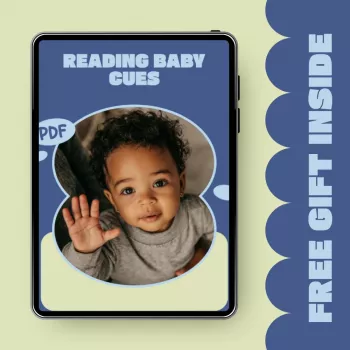
“Full cues” are the signals a baby uses to communicate what they need—before they can use words. These cues show up through facial expressions, body movements, sounds, and changes in attention. When they’re read together (not as one isolated sign), they give a fuller picture of whether a baby is hungry, tired, overstimulated, needs a break, or is ready to engage.
The main categories of baby cues
Engagement cues: These mean baby is comfortable and ready to connect. Look for relaxed limbs, soft “cooing,” steady eye contact, turning toward voices, and a calm, alert face. A baby who tracks your face or reaches toward you is often saying, “I’m ready.”
Disengagement cues: These signal “pause” or “I need a break.” Common signs include looking away, yawning, staring off, arching, squirming, hiccupping, or suddenly going quiet. Disengagement doesn’t always mean something is wrong—it can simply mean baby is managing stimulation.
Common need-based cues (and what they can look like)
Hunger cues: Early signs include rooting (turning the head and opening the mouth), bringing hands to mouth, lip smacking, or sucking motions. Later hunger cues can escalate to fussing and then crying. Catching early cues usually makes feeding calmer.
Sleep cues: Watch for slowed movement, reduced eye contact, yawning, rubbing eyes/face, droopy eyelids, and crankiness that builds quickly. Timing matters—an overtired baby can look “wired” and harder to settle.
Stress/overstimulation cues: A baby may stiffen, splay fingers, arch the back, grimace, sneeze repeatedly, or cry with a “can’t settle” quality. Reducing noise/light, changing positions, swaddling (if age-appropriate), or offering a pacifier can help.
How to read the “full” message
The most accurate approach is to stack clues: what baby is doing with their eyes, hands, body, and voice—plus the context (time since last feed or nap). For a deeper guide to hunger, sleep, and stress signs, visit this complete baby-cues resource.
FAQ
What is the difference between engagement cues and disengagement cues?
Engagement cues show baby is comfortable and ready to interact (calm face, eye contact, relaxed movement). Disengagement cues show baby needs a pause or less stimulation (looking away, yawning, squirming, turning the head).














Leave a comment