Top 10 Most Popular Dance Styles (With Quick Basics)

What are the top 10 most popular dance styles?
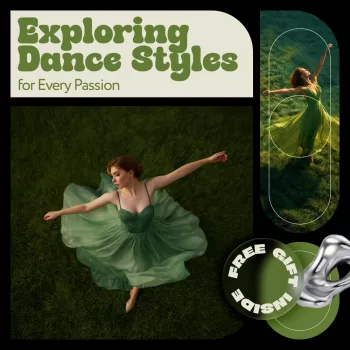
The “most popular” dance styles tend to be the ones you’ll see most often in studios, social dance nights, competitions, and music videos. Here are 10 widely loved styles—each with its own vibe, music, and learning curve.
1) Hip-Hop
High-energy and expressive, hip-hop draws from street and club culture and often focuses on groove, musicality, and personal style.
2) Ballet
A technical foundation for many dancers, ballet emphasizes posture, control, flexibility, and clean lines.
3) Jazz
Jazz blends sharp technique with performance flair—think kicks, turns, and dynamic movement set to pop and show music.
4) Contemporary
Contemporary mixes elements of ballet, modern, and jazz, often featuring fluid transitions, emotion-driven storytelling, and floorwork.
5) Modern Dance
Modern is known for grounded movement, contraction and release, and creative shapes that break traditional “classical” rules.
6) Salsa
A staple of social dancing, salsa is fast, rhythmic, and partner-focused, typically danced to Latin music with quick footwork and turns.
7) Bachata
Often a go-to for beginners in Latin socials, bachata is smoother and more intimate, with a strong beat and easy-to-follow basic steps.
8) Ballroom (Waltz, Foxtrot, Tango)
Ballroom covers elegant partner dances with structured technique and frame—popular for competitions, weddings, and formal events.
9) Swing (East Coast Swing/Lindy Hop)
Playful and upbeat, swing dances pair bouncy footwork with spins and partner connection, commonly danced to big band and rockabilly.
10) Tap
Tap turns your feet into percussion, using metal taps to create rhythms—great for dancers who love musical timing.
Want help choosing a style that matches your goals, music taste, and comfort level? Visit the full guide here: Dance Styles Guide: Find Your Fit (Beginner to Advanced).
FAQ
Which dance style is easiest for beginners to start with?
Many beginners do well with bachata, beginner hip-hop, or basic salsa because the core steps are straightforward and progress feels quick. The easiest option is usually the one whose music you enjoy enough to practice consistently.













Leave a comment