Casual Dress Code for a Job: Meaning, Do’s & Don’ts
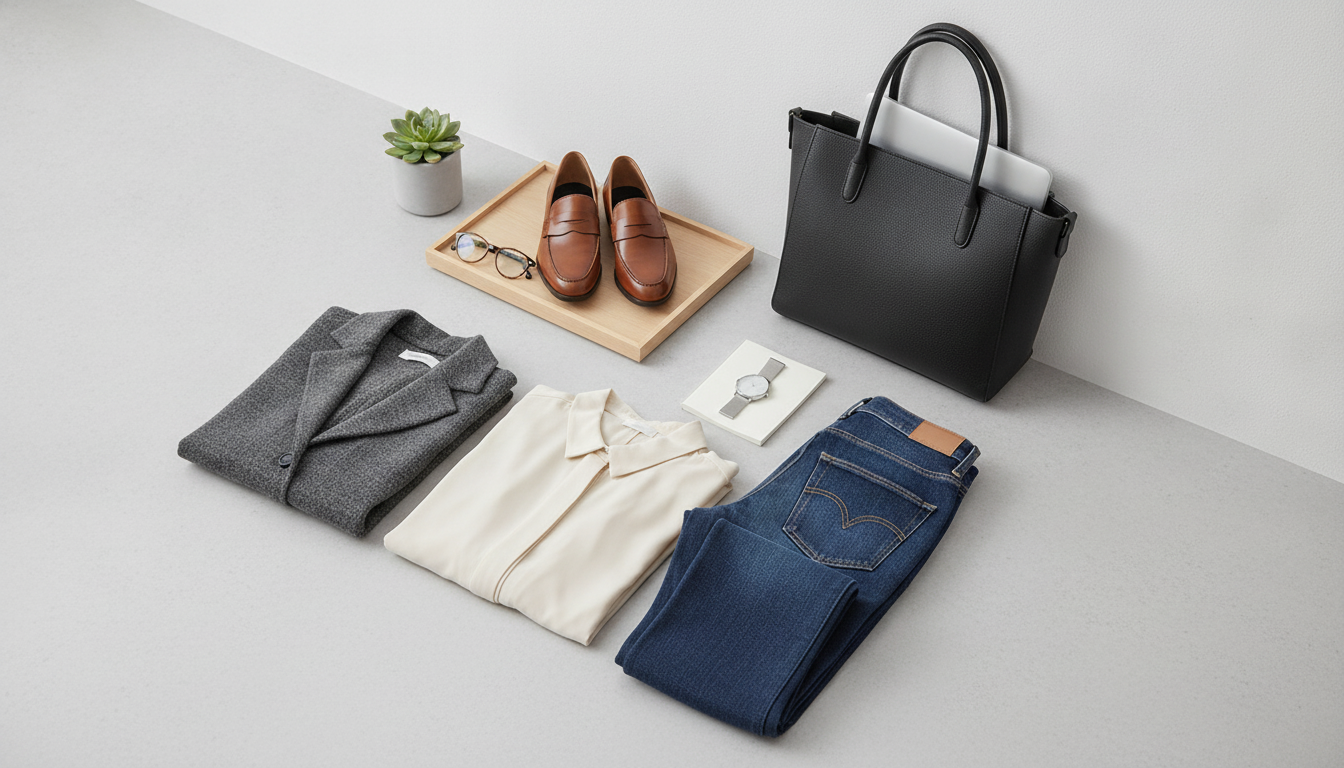
What is a casual dress code for a job?
A casual dress code for a job usually means comfortable, everyday clothing that still looks neat and appropriate for a workplace. Think clean, well-fitting pieces without rips, stains, or loud graphics. In many offices, “casual” allows jeans and simple tops, but it still avoids anything that feels like gym wear, beach wear, or sleepwear.
What does “casual” typically include?
Casual work outfits often revolve around easy staples that look put-together: dark or clean-wash jeans, chinos, casual slacks, knit tops, polos, button-down shirts, simple blouses, and casual dresses or skirts that aren’t too short or clingy. Layering pieces like cardigans, denim jackets, or casual blazers can polish an outfit without making it feel formal.
What should you avoid even in a casual workplace?
Even when the office says “casual,” it’s smart to skip items that read too relaxed or distracting: overly distressed denim, graphic tees with slogans, sheer fabrics without layering, very short hemlines, low-cut tops, and flip-flops. Athletic shorts, leggings as pants (unless your workplace explicitly allows it), and hoodies can also be risky unless your team’s culture is extremely laid-back.
Easy casual outfit ideas that work for most jobs
Try a dark jean with a tucked-in knit top and loafers, or chinos with a polo and clean sneakers. For a simple one-piece option, choose a casual midi dress with a light cardigan and flats. If you’re unsure, add one “structured” element—like a belt, a crisp button-down, or a sleek shoe—to keep the look work-ready.
How to match your workplace’s version of casual
“Casual” varies by industry and team. Take cues from managers and coworkers, consider whether you’ll meet clients, and keep a backup layer (like a blazer or cardigan) at your desk. For more guidance on building flexible outfits, see the full work casual style guide here: https://supremechoiceden.shop/guide-work-casual-style-guide-outfit-formulas-essentials/.
FAQ
What’s the difference between casual and business casual?
Casual is more relaxed and may include jeans and simple tops, while business casual leans more polished with slacks, blouses, button-downs, and dressier shoes. When in doubt, business casual is the safer choice for first impressions.











Leave a comment