Work Casual Outfit Mistakes to Avoid at the Office
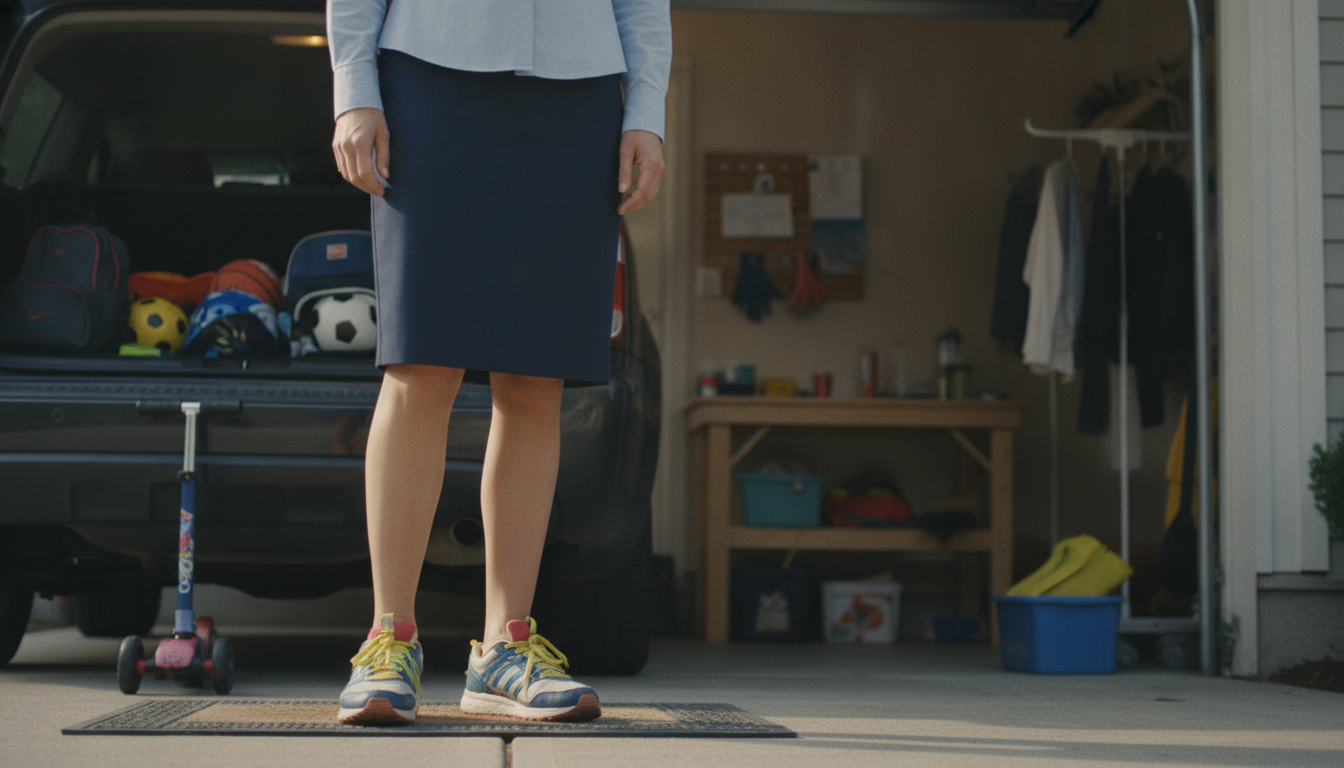
What should I avoid in a casual work outfit?
“Casual” at work still has boundaries. The easiest way to stay appropriately dressed is to avoid anything that looks too lounge-ready, too flashy, or too worn-in. A polished casual outfit should read intentional from head to toe, even if the pieces are comfortable.
Avoid items that look like true weekend wear
Skip clothing that signals gym, errands, or couch time: graphic tees, athletic shorts, sweatpants, and hoodies (unless your workplace explicitly allows them). Ripped jeans, distressed denim, and ultra-faded washes can also lean too informal for many offices.
Avoid poor fit and “almost clean” clothing
Even great basics look sloppy when they don’t fit. Avoid overly tight tops, sagging waistbands, gaping buttons, and dragging hems. Also steer clear of wrinkled fabrics, pilling knits, and anything with visible stains or stretched-out collars—these details read unprofessional quickly.
Avoid extremes: too revealing or too formal
Work casual isn’t the place for deep necklines, very short hemlines, sheer layers without coverage, or crop tops. On the other end, a full suit, very shiny dress shoes, or ultra-formal evening-style pieces can look out of place unless your office culture calls for it.
Avoid loud branding and distracting accessories
Large logos, slogan tees, and statement pieces that dominate your look can distract from a professional impression. Keep accessories streamlined: limit noisy jewelry, overly casual flip-flops, and worn sneakers. If you do wear sneakers, choose clean, minimal styles.
For outfit formulas that stay comfortable while looking office-ready, follow the complete guide here: work casual style guide and essentials.
For Work Casual Outfit Mistakes to Avoid at the Office, the best answer depends on fit, material, care instructions, and how the product will be used day to day.
FAQ
What is the difference between business casual and work casual?
Business casual typically looks more structured (think blazers, dress trousers, and polished shoes), while work casual allows more relaxed pieces like dark jeans, neat knits, and clean sneakers, depending on office culture.











Leave a comment