Rosacea Triggers: What to Avoid Putting on Skin
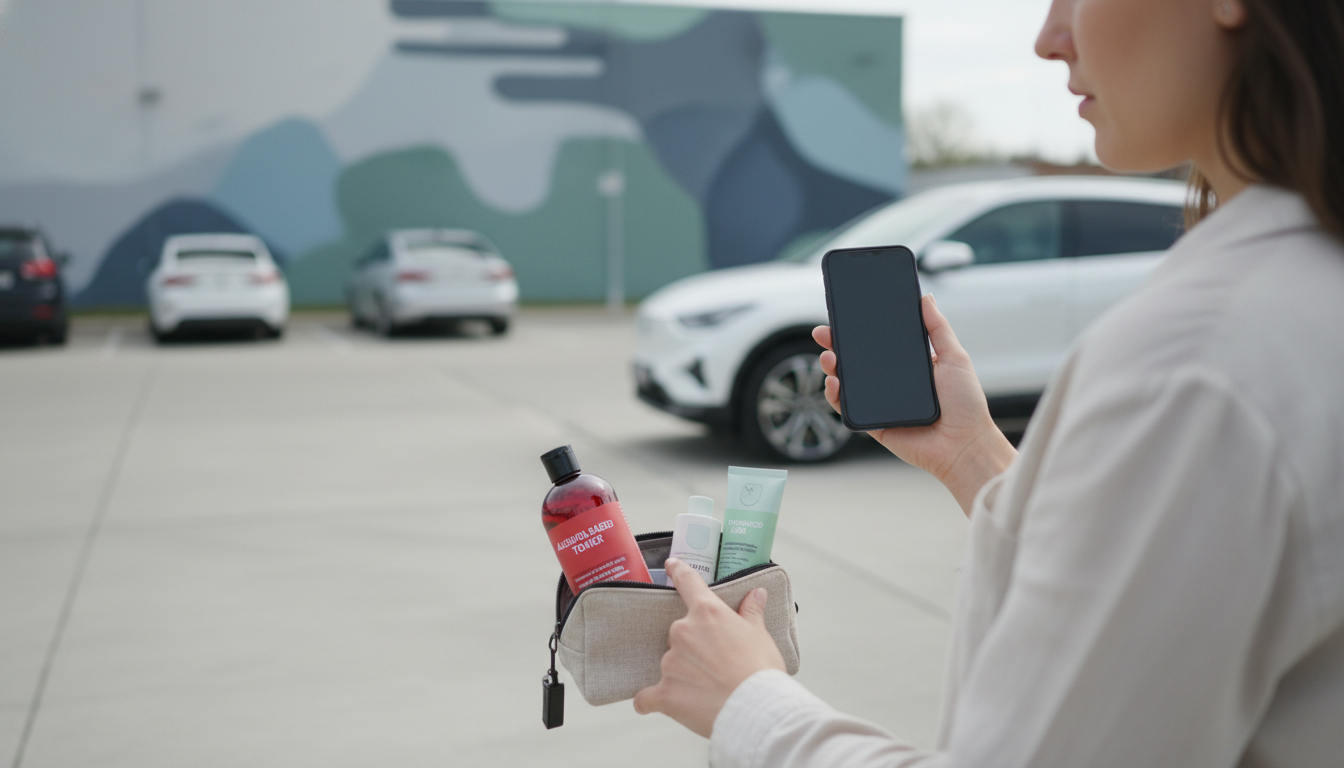
What not to put on rosacea skin?
With rosacea-prone skin, the goal is to avoid ingredients and habits that spike heat, sting, or disrupt the skin barrier. Even products that “work” for other skin types can trigger flushing, burning, or long-lasting redness when rosacea is involved.
Harsh exfoliants and aggressive acids
Skip rough scrubs, cleansing brushes used with pressure, and frequent peeling. High-strength or daily use of glycolic acid, strong salicylic acid formulas, and at-home peels can over-exfoliate and inflame easily reactive skin. If you use any exfoliant, keep it infrequent and gentle, and stop at the first sign of stinging or increased redness.
Fragrance, essential oils, and “cooling” additives
Fragrance (including “parfum”) and many essential oils are common irritation triggers. Menthol, peppermint, eucalyptus, and camphor may feel cooling at first, but they can provoke burning and redness afterward. Choose fragrance-free options and be cautious with “tingly” products.
Alcohol-heavy toners and astringents
Denatured alcohol and strong astringents can strip protective lipids and worsen dryness, sensitivity, and flushing. A gentle, hydrating toner (or no toner at all) is typically a safer route.
Unprotected sun exposure
UV and heat are major rosacea aggravators. Avoid skipping sunscreen or relying only on makeup for protection. Choose a gentle, broad-spectrum SPF and reapply when outdoors.
Overheating and irritating lifestyle triggers
Hot showers, saunas, spicy foods, and alcohol can trigger flushing for many people. The key is noticing patterns: if something repeatedly causes warmth or burning in the face, it’s a likely trigger to limit.
For a deeper look at triggers, barrier-friendly routines, and practical tools, visit this rosacea-prone skin routine guide.
For Rosacea Triggers: What to Avoid Putting on Skin, the best answer depends on fit, material, care instructions, and how the product will be used day to day.
FAQ
What is the best cleanser for rosacea-prone skin?
A mild, fragrance-free, non-foaming or low-foam cleanser that rinses clean without leaving skin tight is usually best. Avoid exfoliating cleansers and very hot water to reduce flushing and stinging.
















Leave a comment