Longest-Range FPV Drones: Builds, Links, and Antennas
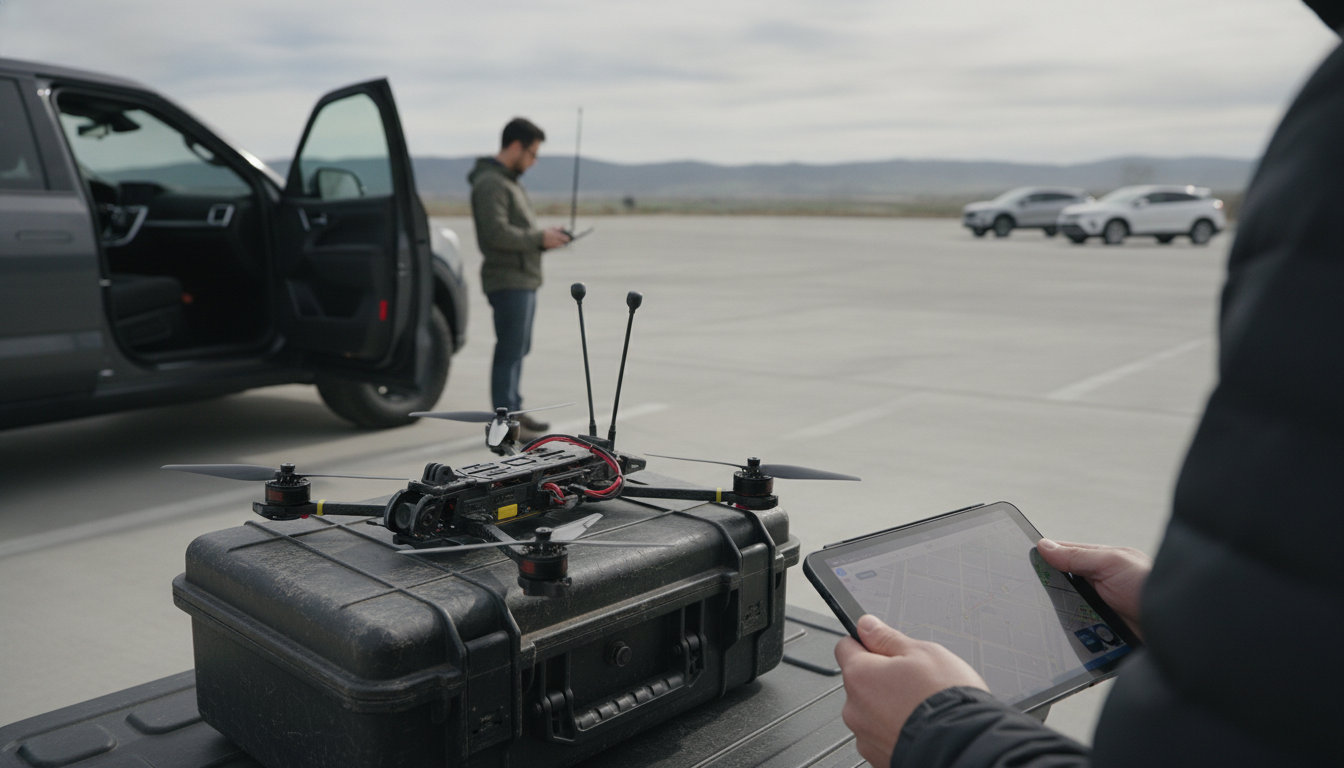
Which FPV drone has the longest range?
The FPV drone with the longest practical range is usually not a single off-the-shelf model—it’s a long-range FPV build that pairs an efficient airframe (typically a 7-inch or larger quad) with a high-power, low-latency control link like ExpressLRS and a capable video system (often digital) matched to high-gain antennas. In real use, the “longest range” comes from the entire link chain working together: control, video, antennas, mounting, and power management.
Why there isn’t one universal “longest-range” FPV drone
Range depends heavily on where and how you fly. Open rural terrain can allow miles of usable video and rock-solid control, while trees, buildings, and RF noise can shrink range dramatically. Local regulations may also limit transmitter power and require visual line of sight, which can cap what “long range” means in practice.
What long-range pilots typically choose
If the goal is maximum distance, many pilots lean toward a 7-inch long-range quad because it balances efficiency, stability, and payload capacity for better antennas and larger batteries. Lightweight, efficient motors and props help maintain cruising speed without draining the battery too fast, which matters as much as raw link distance.
The three parts that decide your real range
1) Control link: Systems like ExpressLRS are popular for long-range because they can maintain reliable control at distance with strong sensitivity and flexible power options.
2) Video link: Digital FPV can look cleaner at range when the link is good, while analog can degrade more gradually. Either way, antennas and placement can matter more than the logo on the box.
3) Antennas and setup: A quality directional antenna on the goggles/ground station plus a well-mounted antenna on the drone can be a bigger range upgrade than switching frames.
For a practical breakdown of airframe choices, Bluetooth setup, and range-boosting tips that actually move the needle, read the full guide here: long-range FPV quadcopter range tips and setup guide.
FAQ
What affects FPV drone range the most besides transmitter power?
Antenna quality and orientation, line of sight, RF noise, and the sensitivity of your receiver/video system usually have a bigger impact than simply turning power up. Clean mounting and smart frequency/channel choices can prevent signal dropouts.













Leave a comment