Chain Binder Sizing: Match Chain Grade, WLL, and Fit
How to determine chain binder size?
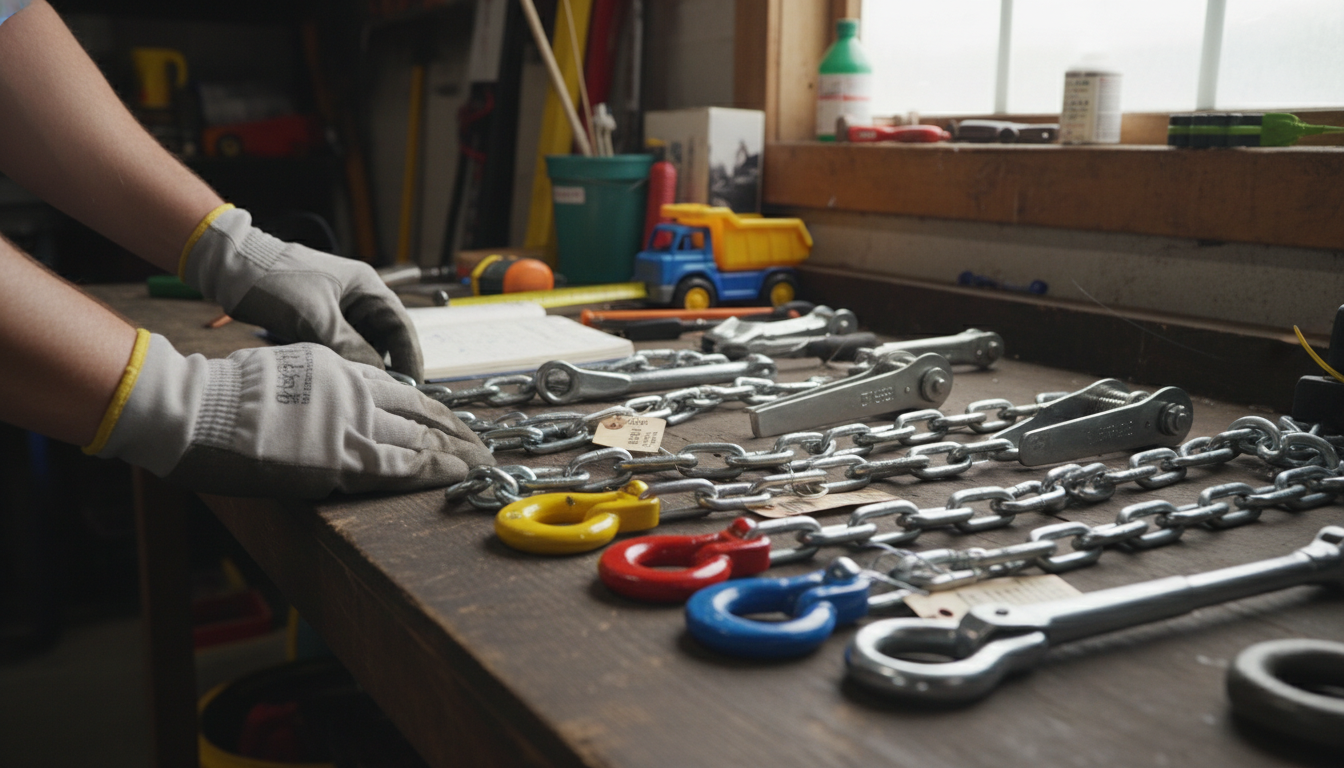
To determine chain binder size, start with the working load limit (WLL) you need for your load securement setup, then match the binder to the chain size and grade you’re using. In most tie-down systems, the chain and binder should have the same rated capacity, and the binder should be explicitly marked for that chain size (such as 5/16″ or 3/8″) and grade (often Grade 70 for transport).
1) Identify the chain size and grade you’re using
Look at the markings on the chain (or its tags) to confirm both size and grade. Chain size refers to the nominal link diameter (for example, 5/16″). Grade indicates strength (for example, Grade 70). A binder sized for the wrong chain diameter may not fit properly, and a binder rated below the chain’s WLL creates a weak point in the system.
2) Match the binder’s WLL to the chain’s WLL (don’t guess)
Pick a binder with a WLL that meets or exceeds the chain’s WLL. If your chain is Grade 70, choose a binder that is rated for that same application and clearly states compatibility with your chain size. When in doubt, follow the lower rating: the system is only as strong as its lowest-rated component.
3) Confirm hardware compatibility (hooks, grab points, and fit)
Chain binders are commonly sold with grab hooks or slip hooks. Make sure the hook style matches how you’ll connect (stake pockets, D-rings, or chain links) and that the hook throat and grab points fit the chain correctly. A mismatch can cause side loading, poor seating, or unintended release.
4) Consider binder style and required tensioning travel
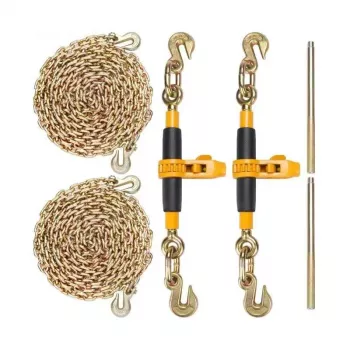
Both lever and ratchet binders come in different take-up ranges. If your load sizes vary, a ratchet binder’s controlled tightening and wider adjustment can be easier to manage. For a deeper look at binder types, ratings, and practical selection tips, see this heavy-duty ratchet chain binder set guide.
FAQ
What is the difference between a ratchet binder and a lever binder?
Ratchet binders tighten with a geared handle for controlled tensioning, while lever binders use over-center leverage for faster tightening but can release with more snap-back risk. Ratchet styles are often preferred when precise, incremental tension is important.















Leave a comment